


SpyFu PPC Research Guide for Beginners
Pay-Per-Click (PPC) advertising has become one of the fastest ways for businesses to attract targeted visitors, generate qualified leads, and increase online sales. Unlike organic SEO, which often takes months to produce measurable results, PPC campaigns can begin driving traffic almost immediately after launch. However, creating profitable advertising campaigns requires careful planning, thorough keyword research, and a deep understanding of competitor strategies.
Many beginners struggle with PPC because they are unsure which keywords to target, how much to bid, or how to create advertisements that attract clicks while remaining cost-effective. Without proper research, advertising budgets can be exhausted quickly without producing meaningful results.
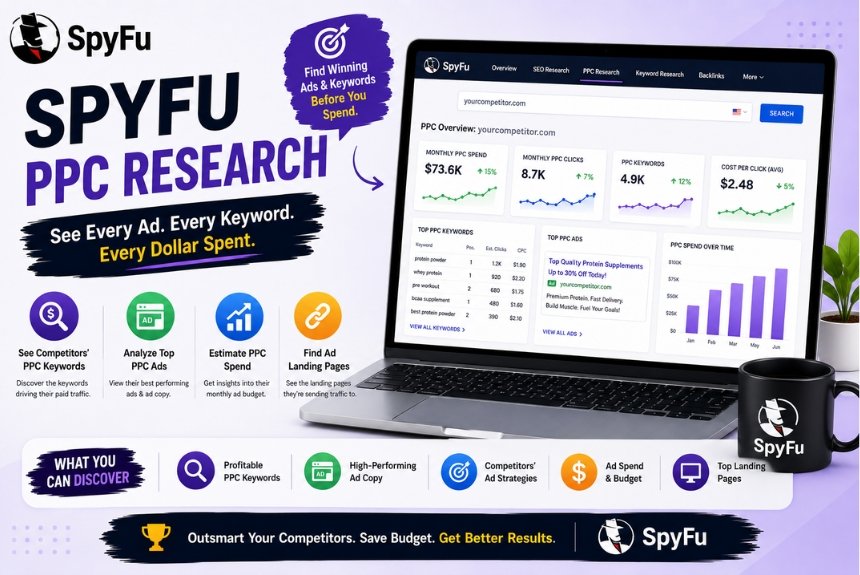
This is where SpyFu PPC Research becomes an invaluable resource. SpyFu enables marketers to analyze competitors’ paid search campaigns, discover the keywords they bid on, review historical advertisements, estimate advertising budgets, and identify strategies that have delivered long-term success. Instead of relying on trial and error, beginners can learn from real campaign data and make more informed decisions before spending money on advertising.
One of SpyFu’s biggest strengths is its historical PPC database. Rather than showing only current advertisements, it provides insight into ads that competitors have run over extended periods. If a company has consistently advertised a particular keyword for months or even years, it often indicates that the keyword is generating positive results.
PPC research is valuable for more than just paid advertising. The insights gained can also support SEO, content marketing, and conversion optimization. Keywords that perform well in Google Ads frequently reflect strong commercial intent, making them useful for creating landing pages, comparison articles, and product-focused content.
In this comprehensive guide, you’ll learn the fundamentals of PPC research, discover how SpyFu helps analyze competitor advertising strategies, explore keyword bidding insights, estimate advertising budgets, and understand how to build more effective Google Ads campaigns. Whether you’re launching your first PPC campaign or improving an existing one, this guide will provide practical knowledge to help you make smarter advertising decisions.
What is PPC Research?
PPC research is the process of analyzing paid search data to identify profitable keywords, understand competitor advertising strategies, estimate campaign costs, and improve the effectiveness of online advertising.
Instead of guessing which keywords might generate conversions, PPC research uses real advertising data to support informed marketing decisions.
Businesses use PPC research to answer questions such as:
- Which keywords are competitors bidding on?
- How competitive are those keywords?
- What advertisements appear for those searches?
- How much might advertisers be spending?
- Which keywords produce commercial traffic?
- What messaging attracts customer attention?
Understanding these factors helps marketers build campaigns with a higher likelihood of success.
Why PPC Research Matters
Launching a PPC campaign without research often leads to wasted advertising budgets and poor conversion rates.
Effective PPC research helps businesses:
- Identify profitable keywords
- Reduce unnecessary advertising costs
- Understand market competition
- Improve ad quality
- Increase click-through rates
- Generate better returns on investment
- Optimize campaign performance
Instead of relying on assumptions, marketers can use real competitor data to guide campaign planning.
Key Components of PPC Research
Successful PPC research involves analyzing several important elements.
Paid Keywords
These are the search terms businesses actively pay to target through Google Ads.
They often indicate high commercial value because advertisers invest money to appear for these searches.
Cost Per Click (CPC)
CPC estimates the average amount advertisers pay when someone clicks an advertisement.
Higher CPC values usually indicate greater competition and stronger commercial intent.
Search Volume
Search volume shows how frequently users search for a keyword each month.
Combining search volume with CPC helps identify keywords that balance demand and advertising cost.
Competition Level
Competition indicates how many advertisers are bidding on a keyword.
Understanding competition helps businesses estimate the difficulty of entering a market.
Ad Copy
Reviewing competitor advertisements reveals:
- Headlines
- Descriptions
- Calls-to-action
- Promotional offers
- Messaging strategies
Studying successful advertisements can inspire stronger ad creation.
Landing Pages
Analyzing where advertisements send visitors provides insights into:
- Page design
- Product positioning
- Conversion strategies
- User experience
- Marketing offers
Strong landing pages often contribute significantly to campaign success.
PPC vs SEO
Although PPC and SEO both aim to increase website traffic, they operate differently.
| PPC | SEO |
| Paid traffic | Organic traffic |
| Immediate visibility | Long-term growth |
| Requires advertising budget | Requires content optimization |
| Instant campaign control | Gradual ranking improvements |
| Best for quick results | Best for sustainable traffic |
Many successful businesses combine both strategies to maximize online visibility.
Benefits of Learning PPC Research
Understanding PPC research provides advantages beyond advertising.
It helps businesses:
- Discover commercial keywords
- Improve SEO planning
- Understand customer intent
- Analyze competitor strategies
- Create stronger landing pages
- Increase marketing efficiency
The same keyword insights can often improve both paid and organic search performance.
Why Beginners Should Learn PPC Research
Many beginners believe PPC is only for experienced marketers with large budgets.
In reality, learning PPC research early helps marketers:
- Avoid costly mistakes
- Understand keyword value
- Recognize commercial search intent
- Improve advertising decisions
- Develop stronger digital marketing skills
Using SpyFu makes this learning process much easier because the platform presents complex advertising data in a clear and organized format.
Why Use SpyFu for PPC?
There are many PPC research tools available today, but SpyFu has built a strong reputation because of its extensive historical advertising database, competitor analysis capabilities, and user-friendly interface. Instead of simply displaying current keyword metrics, SpyFu enables users to study years of competitor advertising activity, making it easier to identify long-term trends and successful campaign strategies.
For beginners, this means you don’t have to rely on trial and error. You can learn from businesses that have already invested heavily in Google Ads and use those insights to build smarter campaigns.
Historical PPC Data
One of SpyFu’s most valuable features is its historical PPC database.
Rather than showing only current advertisements, SpyFu lets users review advertising campaigns that competitors have run over extended periods.
This allows marketers to answer questions such as:
- Which keywords have competitors advertised for consistently?
- Which ads have remained active for months?
- Which campaigns appear to have been discontinued?
- How have advertising strategies changed over time?
Long-running campaigns often indicate keywords that generate consistent results.
Competitor Intelligence
SpyFu makes competitor research simple by providing detailed information about competing advertisers.
Users can analyze:
- Paid keywords
- Estimated monthly clicks
- CPC values
- Ad history
- Ad position
- Competitor domains
- Advertising trends
This information helps marketers understand where competitors invest their advertising budgets and identify opportunities to compete more effectively.
Keyword Discovery
Finding profitable PPC keywords can be difficult without reliable data.
SpyFu simplifies keyword discovery by helping users identify:
- High-converting keywords
- Long-tail keywords
- Commercial search terms
- Related keyword opportunities
- Seasonal keywords
- Low-competition keywords
Instead of building keyword lists from scratch, marketers can focus on keywords that have already proven valuable.
Ad Copy Analysis
Writing effective advertisements requires understanding what attracts users.
SpyFu allows marketers to study competitor advertisements, including:
- Headlines
- Descriptions
- Promotional messages
- Calls-to-action
- Keyword placement
Reviewing successful ad copy provides inspiration for creating more compelling advertisements while maintaining originality.
PPC Budget Insights
Budget planning is one of the biggest challenges for beginners.
SpyFu estimates competitor advertising activity, helping users understand:
- Which keywords receive significant investment
- Estimated advertising intensity
- Potential campaign priorities
- Commercial keyword value
Although these figures are estimates, they provide useful benchmarks for planning campaigns.
Easy-to-Use Dashboard
SpyFu organizes PPC information into a clean and intuitive interface.
Instead of navigating complicated reports, beginners can quickly access:
- PPC Overview
- Paid Keywords
- Competitor Ads
- Keyword History
- Reports
- Export Options
This simple layout reduces the learning curve and allows new users to focus on campaign planning rather than software navigation.
Supports Both PPC and SEO
Another major advantage of SpyFu is that it combines paid and organic search research within a single platform.
Businesses can:
- Discover profitable PPC keywords.
- Target those keywords organically.
- Compare paid and organic competitors.
- Build integrated marketing strategies.
This combination makes SpyFu valuable for businesses using both SEO and Google Ads.
Benefits of Using SpyFu for PPC
Using SpyFu can help businesses:
- Save time on keyword research.
- Reduce advertising guesswork.
- Analyze successful competitors.
- Improve campaign planning.
- Identify profitable opportunities.
- Strengthen overall marketing strategy.
For beginners, these insights make it easier to launch campaigns with greater confidence.
Finding Competitor Ads
One of the fastest ways to improve your Google Ads campaigns is by studying advertisements that competitors are already running. Competitor ads reveal how businesses communicate with customers, promote products, and encourage clicks.
SpyFu allows users to access historical and current competitor advertisements, making it easier to understand what types of messaging perform well within a specific industry.
Why Analyze Competitor Ads?
Competitor advertisements provide valuable information about market trends and customer expectations.
By reviewing competitor ads, you can:
- Discover popular offers.
- Understand customer pain points.
- Learn effective messaging.
- Identify seasonal promotions.
- Improve your own advertisements.
Rather than copying competitors, use these insights to create stronger and more original campaigns.
Access Competitor Ads in SpyFu
Finding competitor advertisements is straightforward.
Step 1
Log into your SpyFu account.
Step 2
Enter your competitor’s domain in the search bar.
Step 3
Open the PPC Research section.
Step 4
Select Ad History or the paid advertising reports.
SpyFu will display advertisements associated with the selected domain.
Review Ad Headlines
Headlines play a major role in attracting clicks.
When reviewing competitor headlines, look for:
- Frequently used keywords
- Emotional triggers
- Promotional phrases
- Numbers and statistics
- Brand positioning
Notice how different advertisers communicate similar products in unique ways.
Analyze Descriptions
Descriptions explain the offer and encourage users to take action.
Pay attention to:
- Product benefits
- Customer-focused language
- Calls-to-action
- Discount offers
- Guarantees
- Unique selling points
Effective descriptions clearly explain why users should choose one business over another.
Observe Advertising Trends
SpyFu’s historical database helps identify advertising trends over time.
Look for:
- Ads that appear repeatedly
- Seasonal campaigns
- Changes in messaging
- New promotional offers
- Product launches
Consistent advertisements often indicate campaigns that perform well.
Identify Common Keywords
Competitor ads often reveal commercially valuable keywords.
Examples include:
- Buy SEO software
- SEO tools
- Keyword research
- PPC competitor analysis
- Digital marketing software
If multiple competitors repeatedly advertise similar keywords, those search terms may deserve additional research.
Learn Without Copying
Competitor research should inspire creativity—not duplication.
Instead of copying advertisements:
- Write unique headlines.
- Highlight different benefits.
- Offer stronger value propositions.
- Improve calls-to-action.
- Focus on your own brand identity.
Original advertisements generally perform better over the long term and help establish trust with customers.
Best Practices for Competitor Ad Analysis
To maximize the value of SpyFu’s advertising insights:
- Analyze several competitors rather than just one.
- Compare both current and historical ads.
- Study long-running campaigns.
- Review keyword usage.
- Track seasonal promotions.
- Test different messaging styles in your own campaigns.
Combining these practices with ongoing optimization helps improve campaign performance over time.
Analyzing Ad Copy
Creating successful Google Ads requires more than selecting the right keywords. The way your advertisement is written plays a significant role in determining whether users click on it. A well-written ad captures attention, communicates value, and encourages users to take action.
SpyFu allows you to study the advertisements your competitors have used over time. By reviewing ad copy, you can identify common messaging strategies, understand customer pain points, and learn how businesses promote their products or services.
The goal is not to copy competitor ads, but to understand what makes them effective and use those insights to create original advertisements that better represent your brand.
Why Ad Copy Analysis Matters
Strong ad copy can improve:
- Click-through rate (CTR)
- Ad relevance
- Quality Score
- Conversion rate
- Return on ad spend (ROAS)
Even if two advertisers bid on the same keyword, the one with clearer and more persuasive ad copy often attracts more clicks.
Elements of a Good PPC Advertisement
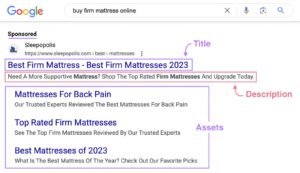
When analyzing competitor ads in SpyFu, pay attention to the following elements:
Headlines
The headline is the first thing users notice.
Look for:
- Primary keywords
- Numbers
- Discounts
- Emotional triggers
- Action-oriented language
Examples include:
- Save Time with SEO Tools
- Boost Your Rankings Today
- Free Keyword Research
- Grow Your Business Faster
Notice how the headlines clearly communicate value while encouraging users to click.
Descriptions
Descriptions provide additional details about the offer.
Study how competitors explain:
- Product benefits
- Features
- Customer problems
- Solutions
- Guarantees
- Special offers
Well-written descriptions answer an important question:
“Why should someone choose this product instead of another?”
Calls-to-Action (CTAs)
Every successful advertisement encourages users to take action.
Common CTAs include:
- Start Free Trial
- Get Started
- Learn More
- Compare Plans
- Book a Demo
- Download Now
- Explore Features
When reviewing competitor ads, observe which CTAs appear most frequently and how they align with the overall message.
Identify Common Messaging Patterns
After analyzing several competitors, you’ll often notice recurring themes.
Examples include:
- Free trials
- Affordable pricing
- Fast results
- Easy setup
- Expert support
- Money-back guarantees
If multiple businesses consistently highlight similar benefits, these are likely important factors for customers in that industry.
Learn from Long-Running Ads
SpyFu’s historical ad database allows you to identify advertisements that have been running for extended periods.
Long-running ads often indicate:
- High click-through rates
- Strong conversions
- Effective messaging
- Profitable campaigns
Instead of focusing only on new ads, study advertisements that have remained active over time.
Create Better Ads
After reviewing competitor advertisements, create ads that provide even greater value.
Consider:
- Writing clearer headlines
- Highlighting unique features
- Using stronger calls-to-action
- Addressing customer pain points
- Improving readability
Your goal is to develop advertisements that stand out while remaining relevant to user search intent.
Keyword Bidding Insights
Selecting the right keywords is only one part of a successful PPC campaign. Understanding how competitors bid on those keywords can help you allocate your advertising budget more effectively.
SpyFu provides keyword bidding insights that help marketers estimate keyword competitiveness, evaluate commercial value, and identify opportunities before launching campaigns.
What Is Keyword Bidding?
Keyword bidding is the process of setting the maximum amount an advertiser is willing to pay when someone clicks on their ad.
Google Ads uses an auction system where advertisers compete for visibility based on factors such as:
- Bid amount
- Ad quality
- Landing page experience
- Expected click-through rate
Higher bids do not always guarantee the top position, making research especially important.
Understanding Cost Per Click (CPC)
One of the most valuable metrics in SpyFu is Cost Per Click (CPC).
CPC estimates how much advertisers typically pay when users click on advertisements for a particular keyword.
For example:
| Keyword | Estimated CPC | Competition |
| SEO Tools | High | High |
| Keyword Research Guide | Medium | Medium |
| Free SEO Checklist | Low | Low |
Higher CPC values generally indicate stronger commercial intent and greater advertiser competition.
Analyze Keyword Competition
Not every keyword is worth bidding on.
Before selecting keywords, evaluate:
- Search volume
- CPC
- Competition level
- Business relevance
- Conversion potential
Beginners should often focus on keywords that balance moderate competition with strong commercial value.
Long-Tail Keywords for Better ROI
Long-tail keywords are more specific search phrases that usually have:
- Lower competition
- Lower CPC
- Higher conversion potential
- Clearer search intent
Examples include:
- Best SEO software for beginners
- Affordable keyword research tool
- PPC competitor analysis guide
Although search volumes may be smaller, these keywords often deliver better returns because they attract highly targeted visitors.
Identify High-Value Keywords
SpyFu helps marketers discover keywords that competitors consistently bid on.
These keywords often:
- Generate qualified traffic
- Lead to conversions
- Support profitable campaigns
- Reflect strong purchase intent
If several competitors continue investing in the same keyword over time, it may represent an important opportunity for your business.
Use Bidding Insights to Plan Campaigns
Keyword bidding data can support campaign planning by helping you:
- Estimate advertising costs
- Prioritize keyword groups
- Allocate budget effectively
- Avoid overly competitive keywords
- Identify affordable opportunities
Instead of spending your entire budget on a few expensive keywords, you can build a balanced campaign targeting a mix of high-value and lower-cost search terms.
Best Practices for Keyword Selection
When using SpyFu’s bidding insights:
- Focus on relevant keywords.
- Balance search volume with competition.
- Include long-tail keywords.
- Monitor keyword performance regularly.
- Adjust bids based on campaign results.
- Continue testing new keyword opportunities.
Successful PPC campaigns are rarely built from a single keyword. Diversifying your keyword portfolio helps improve both reach and performance.
Budget Estimation
One of the biggest challenges for beginners is deciding how much money to allocate to a PPC campaign. Spending too little may limit your campaign’s reach, while spending too much without proper planning can quickly exhaust your advertising budget. Before launching a campaign, it’s important to understand the potential costs involved.
SpyFu helps marketers estimate advertising budgets by analyzing competitor data. While these figures are estimates rather than exact values, they provide useful benchmarks for understanding how much businesses in your industry may be investing in paid search.
Budget estimation allows you to plan campaigns more strategically and avoid unnecessary expenses.
Why Budget Planning Is Important
Every successful PPC campaign starts with a realistic budget.
A well-planned budget helps you:
- Control advertising expenses
- Maximize return on investment (ROI)
- Prioritize high-value keywords
- Allocate spending efficiently
- Reduce wasted clicks
- Improve long-term campaign performance
Instead of increasing your budget blindly, focus on spending where it is most likely to produce results.
How SpyFu Estimates Advertising Budgets
SpyFu analyzes competitor advertising activity and provides estimated insights based on available search and advertising data.
These estimates may include:
- Approximate monthly advertising spend
- Number of paid keywords
- Estimated clicks
- Cost Per Click (CPC)
- Historical campaign activity
Although these figures are not exact, they help marketers understand the level of competition within their industry.
Factors That Influence PPC Budgets
Several factors affect how much a business spends on Google Ads.
These include:
Keyword Competition
Highly competitive keywords generally require larger bids and higher budgets.
Cost Per Click (CPC)
Keywords with high CPC values increase overall campaign costs.
Search Volume
Popular keywords receive more searches, which can generate more clicks and higher advertising expenses.
Industry
Some industries naturally have higher advertising costs due to increased competition.
For example:
- Finance
- Insurance
- Legal services
- Real estate
- Software
These industries often have higher CPC values than local or niche markets.
Campaign Goals
A business focused on brand awareness may allocate its budget differently than one aiming to generate direct sales or leads.
Estimating Your Own Budget
After reviewing competitor data, create a budget that matches your objectives.
Consider:
- Your monthly marketing budget
- Business size
- Number of target keywords
- Geographic targeting
- Expected campaign duration
Starting with a smaller budget allows beginners to collect performance data before increasing their investment.
Tips for Managing Your Budget
To maximize your advertising spend:
- Focus on high-intent keywords.
- Pause underperforming ads.
- Monitor campaign performance regularly.
- Test different bidding strategies.
- Optimize landing pages.
- Adjust budgets based on results.
Consistent optimization is often more effective than simply increasing ad spend.
Building Better Campaigns
Competitor research provides valuable insights, but successful PPC campaigns require thoughtful planning and continuous optimization. SpyFu supplies the data, while your strategy determines how effectively that data is used.
Building a better campaign involves selecting the right keywords, writing compelling ads, creating relevant landing pages, and regularly reviewing campaign performance.
Start with Clear Goals
Before creating your campaign, define what success looks like.
Your goals might include:
- Increasing website traffic
- Generating leads
- Boosting online sales
- Promoting a new product
- Growing brand awareness
Clear objectives make it easier to measure campaign performance.
Organize Keywords into Ad Groups
Instead of placing every keyword into one campaign, organize similar keywords into focused ad groups.
For example:
| Ad Group | Example Keywords |
| SEO Tools | SEO software, keyword research tool |
| PPC Research | PPC competitor analysis, Google Ads research |
| SpyFu Guides | SpyFu tutorial, SpyFu keyword research |
Organized campaigns improve ad relevance and make performance tracking easier.
Write Relevant Advertisements
Each advertisement should closely match the keywords in its ad group.
Effective ads typically include:
- A clear headline
- Relevant keywords
- Customer benefits
- A strong call-to-action
- Honest messaging
Keeping ads closely aligned with user intent often improves click-through rates.
Optimize Landing Pages
A great advertisement can still perform poorly if it directs visitors to an irrelevant or confusing landing page.
An effective landing page should:
- Match the advertisement’s message
- Load quickly
- Be mobile-friendly
- Include a clear headline
- Highlight key benefits
- Feature a visible call-to-action
A seamless experience from ad to landing page increases the likelihood of conversions.
Test and Improve Continuously
PPC success rarely happens after launching a single campaign.
Regularly test:
- Headlines
- Descriptions
- Calls-to-action
- Landing pages
- Keyword lists
- Bidding strategies
Small improvements made over time often lead to significant increases in campaign performance.
Common Mistakes
Even with powerful research tools like SpyFu, beginners can make mistakes that reduce campaign effectiveness.
Avoid these common errors:
Targeting Too Many Keywords
Trying to bid on hundreds of keywords at once can spread your budget too thin. Focus on the most relevant and high-intent keywords first.
Ignoring Search Intent
A keyword may have high search volume but attract users who are not ready to convert. Always choose keywords that match your campaign goals.
Copying Competitor Ads
Competitor ads are useful for inspiration, but directly copying headlines or descriptions can make your campaigns less distinctive. Create original advertisements that highlight your unique value.
Forgetting Negative Keywords
Negative keywords prevent your ads from appearing for irrelevant searches. Regularly updating your negative keyword list helps reduce wasted clicks and improves campaign efficiency.
Not Monitoring Campaign Performance
Launching a campaign is only the beginning. Review metrics such as click-through rate, conversions, cost per click, and return on investment to identify opportunities for improvement.
Frequently Asked Questions (FAQs)
1. What is SpyFu PPC Research?
SpyFu PPC Research is a feature that helps marketers analyze competitors’ Google Ads campaigns. It provides insights into paid keywords, historical advertisements, estimated clicks, keyword costs, and advertising trends, enabling users to build more effective PPC campaigns.
2. Can beginners use SpyFu for PPC research?
Yes. SpyFu is beginner-friendly and presents PPC data in an easy-to-understand format. Even users with limited Google Ads experience can learn how competitors advertise, identify profitable keywords, and plan campaigns more confidently.
3. Does SpyFu show competitor ads?
Yes. SpyFu allows users to view current and historical competitor advertisements. Reviewing these ads helps marketers understand messaging, promotional offers, and keyword usage without copying competitor content.
4. Can SpyFu help reduce advertising costs?
SpyFu helps marketers make informed decisions by identifying valuable keywords, estimating competition, and revealing successful competitor strategies. Using these insights can improve budget allocation and reduce wasted ad spend.
5. Is SpyFu useful for SEO as well as PPC?
Absolutely. Although SpyFu is widely known for PPC research, it also offers keyword research, competitor analysis, backlink insights, and SEO reporting. Many businesses use the platform to improve both their paid and organic search strategies.
Final Thoughts
SpyFu simplifies PPC research by providing valuable insights into competitor advertising strategies, keyword bidding trends, ad copy, and estimated campaign budgets. Instead of relying on guesswork, marketers can use real-world data to make informed decisions and create more effective advertising campaigns.
For beginners, SpyFu offers an excellent starting point for learning how successful advertisers structure their campaigns. By combining competitor analysis with careful keyword selection, compelling ad copy, and continuous optimization, businesses can improve campaign performance while making better use of their advertising budgets.
Remember that successful PPC advertising is an ongoing process. Regularly reviewing competitor activity, testing new ideas, and refining your campaigns will help you achieve better results over time.
Improve Your PPC Campaigns with SpyFu
Use SpyFu to analyze competitor ads, discover profitable PPC keywords, and optimize your Google Ads strategy. Turn data-driven insights into better campaigns that attract qualified traffic, increase conversions, and support long-term business growth.
Leave a Reply