


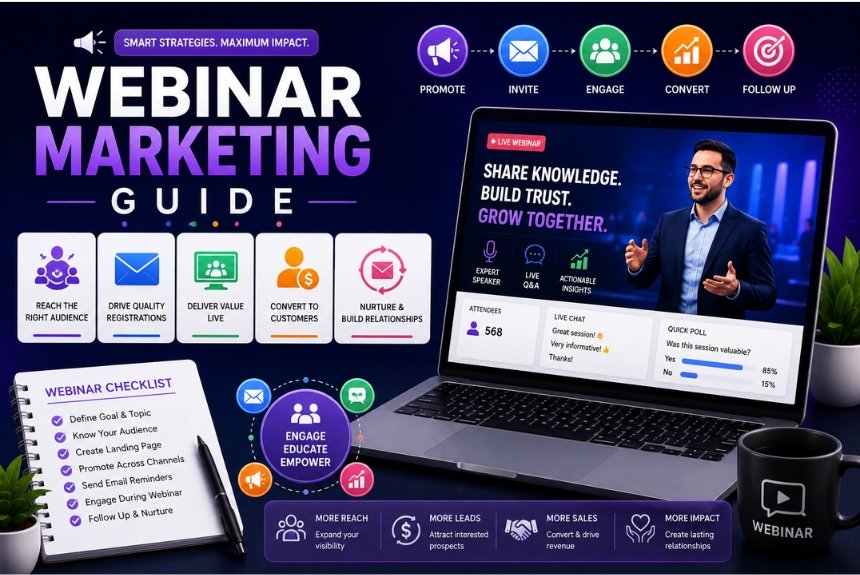
Webinar Marketing Guide for Small Businesses
In today’s competitive digital landscape, businesses need more than traditional advertising to capture attention and build meaningful customer relationships. Consumers increasingly seek educational content, real-time interaction, and authentic engagement before making purchasing decisions.
One of the most effective ways to achieve these goals is through webinar marketing.
Webinars allow businesses to educate, demonstrate expertise, answer questions live, and build trust with potential customers—all within a single online event. Unlike static blog posts or pre-recorded videos, webinars create an interactive experience that encourages participation and strengthens relationships with attendees.
For small businesses, webinars are particularly valuable because they provide a cost-effective way to reach large audiences without the expense of in-person events. Whether you’re introducing a new product, teaching a skill, demonstrating software, or nurturing leads, webinars can become a powerful part of your marketing strategy.
In this comprehensive guide, you’ll learn:
- What webinar marketing is
- Why webinars are effective
- How to plan a successful webinar
- Ways to attract registrations
- Best practices for presenting
- Follow-up strategies
- Performance metrics
- Common mistakes to avoid
- A practical webinar checklist
By the end of this guide, you’ll have a clear roadmap for creating webinars that generate leads, build credibility, and support long-term business growth.
What is Webinar Marketing?
Webinar marketing is the practice of using online seminars (webinars) to educate, engage, and convert potential customers.
A webinar combines live presentations, demonstrations, discussions, and audience interaction through features such as:
- Live video
- Screen sharing
- Slide presentations
- Polls
- Live chat
- Question-and-answer sessions
Rather than focusing solely on selling, successful webinars provide valuable information that helps attendees solve problems or achieve specific goals.
This educational approach builds trust and positions your business as a knowledgeable resource.
How Webinar Marketing Works
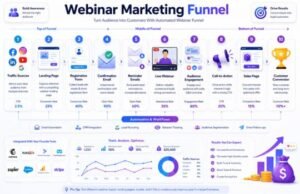
A typical webinar marketing process includes:
- Choose a relevant topic.
- Create a registration landing page.
- Promote the webinar through multiple channels.
- Send confirmation and reminder emails.
- Deliver the live webinar.
- Answer attendee questions.
- Send follow-up emails.
- Measure performance.
- Nurture leads after the event.
Each stage contributes to the overall success of the webinar campaign.
Benefits of Webinar Marketing for Businesses
Webinars offer advantages that go beyond simple lead generation. They help businesses educate audiences, strengthen brand authority, and guide prospects through the customer journey.
1. Generate High-Quality Leads
People who register for webinars typically demonstrate genuine interest in your topic, product, or service.
Because attendees voluntarily invest their time, they often become higher-quality leads than those generated through less targeted marketing activities.
2. Build Trust and Authority
Educational webinars position your business as an expert in your industry.
By sharing practical advice, answering questions, and demonstrating knowledge, you build credibility that supports future purchasing decisions.
3. Increase Customer Engagement
Unlike one-way communication channels, webinars encourage interaction.
Participants can:
- Ask questions
- Respond to polls
- Participate in discussions
- Share feedback
- Engage directly with presenters
This creates a more memorable experience.
4. Demonstrate Products or Services
Webinars provide an excellent opportunity to showcase:
- Software demonstrations
- Product walkthroughs
- Service explanations
- Customer success stories
- Real-world use cases
Seeing a product in action often builds confidence more effectively than written descriptions alone.
5. Support the Sales Process
Webinars can help prospects move from awareness to consideration and decision.
Common webinar goals include:
- Explaining complex products
- Addressing objections
- Demonstrating value
- Encouraging free trials
- Scheduling consultations
6. Create Reusable Content
A live webinar can continue generating value after the event.
Repurpose recordings into:
- Blog articles
- Short video clips
- Social media posts
- Email content
- YouTube videos
- Knowledge base resources
This extends the lifespan of your marketing investment.
Planning Your Webinar
Careful planning is one of the most important factors in webinar success.
A well-organized webinar creates a better attendee experience and improves overall results.
Step 1: Define Your Objective
Before creating slides or promotional materials, identify your primary goal.
Examples include:
- Lead generation
- Product education
- Customer onboarding
- Brand awareness
- Sales demonstrations
- Community building
- Training existing customers
Every decision should support this objective.
Step 2: Understand Your Audience
Ask questions such as:
- Who is attending?
- What challenges do they face?
- What questions are they asking?
- What level of knowledge do they have?
- What outcome do they expect?
Understanding your audience helps shape relevant content.
Step 3: Choose a Valuable Topic
The best webinar topics solve real problems.
Examples include:
- How-to guides
- Industry trends
- Product tutorials
- Beginner education
- Expert interviews
- Case studies
- Best practices
Focus on topics that align with your audience’s interests and your business expertise.
Step 4: Create an Agenda
A structured agenda keeps the presentation organized.
Example:
- Welcome and introduction
- Topic overview
- Educational content
- Product demonstration (if appropriate)
- Live Q&A
- Final recommendations
- Call-to-action
Sharing the agenda with attendees sets clear expectations.
Step 5: Select the Right Webinar Platform
When choosing a platform, consider:
- Participant capacity
- Screen sharing
- Recording
- Polls
- Chat
- Analytics
- Integrations
- Registration pages
- Automation
Choose software that supports your technical and marketing requirements.
Step 6: Prepare Presentation Materials
Create clear, visually appealing slides.
Best practices:
- Use large fonts.
- Keep text concise.
- Include visuals.
- Use consistent branding.
- Highlight key points.
- Avoid clutter.
Remember that attendees should focus on your presentation—not struggle to read crowded slides.
Step 7: Practice Before Going Live
Rehearse the webinar multiple times.
Check:
- Audio quality
- Camera
- Internet connection
- Screen sharing
- Polls
- Chat functionality
- Timing
Preparation reduces technical issues and builds presenter confidence.
Webinar Success Tips
Before launching your first webinar:
- Focus on educating rather than selling.
- Encourage audience participation.
- Leave time for questions.
- Use real examples and case studies.
- Keep presentations engaging and conversational.
Attendees are more likely to remember webinars that provide practical value.
Webinar Promotion Strategies
Even the best webinar won’t generate results if people don’t know it exists. A successful webinar marketing campaign begins with a well-planned promotion strategy that reaches your target audience through multiple channels.
Instead of relying on a single source of traffic, combine email marketing, social media, content marketing, paid advertising, partnerships, and your website to maximize registrations.
Build a Webinar Registration Landing Page
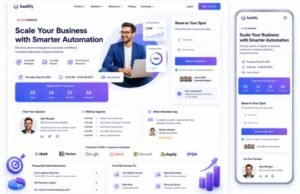
Your registration page is one of the most important parts of your webinar campaign. It should clearly explain why someone should attend and make registration quick and easy.
Essential Elements
Include:
- Compelling headline
- Clear value proposition
- Date and time
- Speaker introduction
- Key learning outcomes
- Registration form
- Testimonials (if available)
- Frequently asked questions
- Strong call-to-action
Example Headline
Learn How to Double Your Leads Using Webinar Marketing
Registration Form Best Practices
Ask only for information you truly need.
Recommended fields:
- First Name
- Email Address
- Company (optional)
Shorter forms usually achieve higher conversion rates.
Promote Through Email Marketing
Email marketing remains one of the most effective webinar promotion channels because you’re reaching people who already know your brand.
Email Invitation Sequence
Email 1 — Webinar Announcement
Send: 2–3 weeks before the webinar
Include:
- Topic
- Benefits
- Date
- Speaker
- Registration link
Email 2 — Educational Reminder
Send: 10–14 days before
Highlight:
- Problems attendees will solve
- Learning outcomes
- Practical examples
Email 3 — Social Proof
Send: One week before
Share:
- Customer testimonials
- Previous webinar success
- Speaker credentials
- Case studies
Email 4 — Last Chance
Send: 1–2 days before registration closes
Use genuine urgency.
Examples:
- Registration closes tomorrow.
- Last opportunity to reserve your seat.
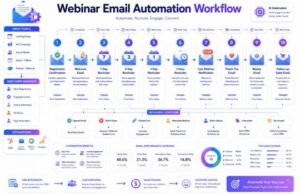
Reminder Email Sequence
Many people register but forget to attend. Reminder emails significantly improve attendance rates.
Suggested Schedule
One Week Before
Confirm:
- Date
- Time
- Access link
One Day Before
Remind attendees:
- What they’ll learn
- Webinar duration
- Speaker information
One Hour Before
Keep the email short.
Example:
Your webinar starts in one hour. Click here to join.
Fifteen Minutes Before
Final reminder with:
- Join link
- Support contact (if needed)
Social Media Promotion
Use multiple social media platforms to increase visibility and attract new registrations.
Share:
- Countdown posts
- Speaker introductions
- Behind-the-scenes preparation
- Short educational tips
- Polls
- Video invitations
- Registration reminders
Repurpose your webinar content into multiple post formats to maintain engagement leading up to the event.
Content Marketing
Publish supporting content before your webinar to attract organic traffic.
Examples:
- Blog articles
- Short videos
- Infographics
- LinkedIn posts
- Industry insights
- Podcast appearances
Include webinar registration links within this content.
Paid Advertising
If your budget allows, use paid campaigns to reach a wider audience.
Popular advertising platforms include:
- Google Ads
- Facebook Ads
- Instagram Ads
- LinkedIn Ads
- YouTube Ads
Target audiences based on:
- Interests
- Job roles
- Industry
- Location
- Website visitors
- Email subscribers
Partner & Influencer Promotion
Collaborate with:
- Industry experts
- Business partners
- Associations
- Influencers
- Existing customers
Cross-promotion expands your reach while adding credibility.
Website Promotion
Promote your webinar across your website using:
- Homepage banners
- Pop-ups
- Exit-intent forms
- Blog banners
- Sidebar widgets
- Navigation links
Your website visitors are already interested in your business, making them strong webinar prospects.
Best Practices During the Webinar
A successful webinar depends not only on registrations but also on attendee engagement.
Start Strong
The first few minutes set the tone.
Introduce:
- Yourself
- The topic
- Learning objectives
- Agenda
Help attendees understand what they’ll gain from staying until the end.
Keep Content Educational
Focus on solving problems rather than delivering a sales pitch.
Share:
- Actionable strategies
- Real examples
- Case studies
- Demonstrations
- Practical tips
Educational webinars tend to build greater trust and credibility.
Encourage Interaction
Use interactive features such as:
- Live polls
- Q&A sessions
- Chat discussions
- Surveys
- Quizzes
Audience participation increases engagement and improves the overall experience.
Use Visuals
Support your presentation with:
- Charts
- Screenshots
- Diagrams
- Videos
- Product demonstrations
Avoid text-heavy slides that are difficult to follow.
Keep Timing Under Control
Recommended webinar length:
45–60 minutes
Suggested structure:
- 5 minutes — Welcome
- 35–40 minutes — Main presentation
- 15–20 minutes — Live Q&A
Respecting attendees’ time improves satisfaction.
Webinar Presentation Tips
To deliver a professional webinar:
- Speak clearly and confidently.
- Maintain a conversational tone.
- Use storytelling where appropriate.
- Avoid reading directly from slides.
- Pause occasionally for questions.
- Test audio and video beforehand.
- Keep energy levels high.
Your presentation style has a significant impact on attendee engagement.
Increase Attendance Rates
Some practical ways to improve attendance include:
- Sending multiple reminder emails
- Adding calendar invitations
- Sending SMS reminders (if appropriate)
- Making registration simple
- Clearly communicating the value of attending
- Offering downloadable resources or exclusive bonuses
Webinar Follow-Up
Many businesses focus heavily on webinar registrations and live presentations but overlook what happens after the event. In reality, the follow-up process is where many leads become customers.
A structured follow-up sequence keeps your audience engaged, reinforces your message, and moves prospects further along the customer journey.
Immediate Thank-You Email
Send: Within 1–2 hours after the webinar
Include:
- Thank attendees for participating.
- Share the webinar recording.
- Provide presentation slides (if applicable).
- Include additional resources.
- Invite questions or feedback.
A prompt follow-up maintains momentum while the webinar is still fresh in attendees’ minds.
Follow-Up for Attendees
People who attended have already shown strong interest.
Your follow-up sequence might include:
Email 1
- Thank you message
- Webinar replay
- Resource links
Email 2 (2–3 Days Later)
Share:
- Case studies
- Customer success stories
- Frequently asked questions
- Helpful blog articles
Email 3 (4–7 Days Later)
Present a relevant offer such as:
- Free consultation
- Product demo
- Free trial
- Limited-time promotion
Focus on how your solution addresses the challenges discussed during the webinar.
Follow-Up for Non-Attendees
Not everyone who registers will attend. Don’t lose these potential leads.
Send:
Email 1
“We missed you!”
Include:
- Webinar recording
- Key highlights
- Additional resources
Email 2
Summarize the main takeaways.
Use:
- Bullet points
- Short video clips
- Blog recap
- Infographic
Email 3
Invite them to:
- The next webinar
- A product demonstration
- A consultation
- Download additional resources
Lead Nurturing After the Webinar
Continue educating leads instead of immediately pushing for a sale.
Examples:
- Weekly educational emails
- Industry insights
- Customer stories
- Product tutorials
- Implementation guides
- Frequently asked questions
The goal is to build trust over time.
Analytics & Reporting
Tracking webinar performance helps you understand what worked well and where improvements are needed.
Use webinar analytics to optimize future campaigns.
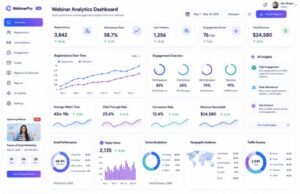
Key Webinar Metrics
Registration Rate
Measures how many visitors registered.
Formula:
Registrations ÷ Landing Page Visitors × 100
A low registration rate may indicate that the landing page or promotional messaging needs improvement.
Attendance Rate
Measures the percentage of registered users who actually attended.
Formula:
Attendees ÷ Registrations × 100
Improve attendance by:
- Sending reminder emails
- Adding calendar invitations
- Providing clear joining instructions
Engagement Rate
Measure audience participation using:
- Questions asked
- Poll responses
- Chat activity
- Survey participation
- Average viewing time
Higher engagement generally indicates that the content resonated with attendees.
Average Watch Time
Longer watch times suggest your webinar maintained audience interest.
If many attendees leave early, review:
- Presentation pacing
- Content quality
- Webinar length
- Technical performance
Conversion Rate
Track the percentage of attendees who completed your desired action, such as:
- Booking a demo
- Starting a free trial
- Making a purchase
- Requesting a consultation
This metric directly reflects business impact.
Customer Acquisition Cost (CAC)
Compare your webinar investment with the number of customers acquired.
Include costs such as:
- Advertising
- Webinar platform
- Presenter time
- Design
- Promotion
Understanding CAC helps evaluate overall campaign profitability.
Webinar Marketing Tools
Many businesses use a combination of tools to manage registration, communication, and analytics.
Common tool categories include:
- Webinar platforms
- Email marketing software
- Marketing automation platforms
- CRM systems
- Landing page builders
- Analytics tools
- Scheduling tools
Choosing tools that integrate well together helps create a smoother workflow and reduces manual effort.
Common Webinar Marketing Mistakes
Avoid these common pitfalls:
Choosing a Sales-Focused Topic
Educational webinars generally perform better than presentations centered only on selling.
Weak Promotion
Don’t rely on a single promotional channel.
Combine:
- Social media
- Website banners
- Paid ads
- Partner promotions
Long Registration Forms
Ask only for the information you truly need.
Short forms typically achieve higher conversion rates.
Skipping Reminder Emails
Many registrants simply forget.
A structured reminder sequence can significantly improve attendance.
Ignoring Follow-Up
Without follow-up, valuable leads may lose interest.
Continue the conversation after the webinar.
Frequently Asked Questions (FAQs)
1. What is webinar marketing?
Webinar marketing uses online presentations or seminars to educate audiences, generate leads, build trust, and promote products or services.
2. Why should small businesses use webinars?
Webinars offer an affordable way to reach larger audiences, demonstrate expertise, answer questions, and nurture potential customers without the costs associated with in-person events.
3. How long should a webinar be?
Many successful webinars last 45–60 minutes, including time for questions and discussion.
4. What is the best day to host a webinar?
The ideal day depends on your audience. Test different schedules and review attendance data to identify what works best for your business.
5. Should webinars be recorded?
Yes. Recordings extend the value of your content by allowing people who missed the live session to watch later and by creating reusable marketing assets.
6. How many reminder emails should I send?
A common approach includes reminders one week before, one day before, one hour before, and shortly before the webinar begins.
7. Can webinars generate sales?
Yes. Educational webinars can build trust, answer objections, and guide prospects toward informed purchasing decisions.
8. How do I measure webinar success?
Monitor registrations, attendance, engagement, watch time, conversions, and follow-up outcomes to evaluate overall performance.
9. What is the biggest webinar marketing mistake?
Focusing entirely on selling instead of providing meaningful educational value.
10. Can webinar recordings be repurposed?
Absolutely. Repurpose recordings into blog articles, short videos, social media content, podcasts, FAQs, and training resources.
Final Webinar Marketing Checklist
Before Your Webinar
- Define your goal.
- Choose a relevant topic.
- Understand your audience.
- Create a registration landing page.
- Plan your email promotion.
- Schedule reminder emails.
- Test your equipment.
- Rehearse your presentation.
During Your Webinar
- Welcome attendees.
- Explain the agenda.
- Encourage participation.
- Use polls and Q&A.
- Share practical examples.
- Deliver educational content.
- Include a clear call-to-action.
After Your Webinar
- Send thank-you emails.
- Share the recording.
- Provide additional resources.
- Nurture leads.
- Analyze campaign performance.
- Gather attendee feedback.
- Improve future webinars.
Expert Tips for Webinar Success
To maximize your results:
- Solve one clear problem per webinar.
- Keep slides visually simple.
- Use real-world examples and case studies.
- Encourage audience interaction throughout the session.
- Offer downloadable resources.
- Follow up promptly with attendees and non-attendees.
- Review analytics after every webinar and continuously optimize your strategy.
Final Thoughts
Webinar marketing is one of the most effective ways for small businesses to educate audiences, build trust, and generate qualified leads. A successful webinar is built on thoughtful planning, valuable content, strategic promotion, and consistent follow-up.
Rather than viewing webinars as one-time events, treat them as ongoing assets that can fuel your broader content marketing, email marketing, and lead generation efforts. Over time, a well-executed webinar strategy can strengthen your brand authority, improve customer relationships, and support sustainable business growth.
Ready to launch your first webinar?
Choose a topic that solves a real customer challenge, create a compelling registration page, promote it across multiple channels, and deliver an engaging educational experience. After the event, follow up consistently, measure your results, and refine your approach.
With each webinar you host, you’ll gain valuable insights that help improve future events, generate more qualified leads, and build stronger connections with your audience.
SEO Keyword Strategy
Primary Keyword
- Webinar Marketing
Secondary Keywords
- Webinar marketing strategy
- Webinar promotion
- Webinar lead generation
- Online webinar marketing
- Webinar email invitations
- Webinar registration
- Webinar landing page
- Webinar follow-up
- Webinar analytics
- Webinar engagement
- Webinar planning
- Live webinar marketing
- Webinar conversion
- Marketing webinars
- Business webinar strategy
Long-Tail Keywords
- Webinar marketing guide for small businesses
- How to promote a webinar
- Webinar email invitation sequence
- Webinar follow-up strategy
- Best webinar marketing tips
- Webinar registration landing page
- Webinar analytics explained
- Webinar marketing checklist
- Webinar lead generation strategy
- Beginner’s guide to webinar marketing
Suggested Internal Links
Support this article by linking to:
- Best Landing Page Builders in 2026
- How to Create High-Converting Landing Pages
- Marketing Automation for Beginners
- Email Automation Workflows Every Business Should Use
- How to Increase Email Open Rates
- Best Marketing Automation Software for Small Businesses
- GetResponse Review 2026
- Lead Generation Strategies
- Conversion Rate Optimization Guide
- Email Marketing Best Practices
Conclusion
Webinar marketing gives small businesses a practical way to educate prospects, demonstrate expertise, and build stronger customer relationships without the costs of traditional events. By combining valuable content with strategic promotion, effective follow-up, and continuous performance analysis, webinars can become a reliable source of qualified leads and long-term business growth.
Start with a focused topic, keep your audience’s needs at the center of your presentation, and refine your process after every event. Over time, consistent webinar marketing can become one of the most effective channels in your digital marketing strategy.
Leave a Reply