



How to Find Competitor Keywords with SpyFu
Competitor keyword research is one of the most effective ways to improve your SEO strategy. Instead of relying on guesswork to identify valuable search terms, you can analyze the keywords that are already driving traffic to competing websites. This approach helps you discover proven keyword opportunities, understand your competitors’ strengths, and create content that better meets user search intent.
SpyFu is a powerful SEO and competitive intelligence platform designed to simplify this process. It enables users to uncover the organic and paid keywords that competitors rank for, identify historical ranking trends, evaluate advertising strategies, and discover keyword gaps that can be turned into new content opportunities. Whether you’re a blogger, business owner, digital marketer, or SEO professional, SpyFu provides actionable insights that can help you make more informed decisions.
One of the biggest advantages of competitor keyword research is that it allows you to learn from websites that are already succeeding in your niche. Instead of starting your keyword research from scratch, you can identify the search terms that consistently generate traffic and focus your efforts on creating higher-quality content around those topics.
SpyFu also makes it easy to compare multiple competitors, monitor ranking changes, analyze Google Ads campaigns, and export valuable keyword data for further planning. These capabilities help marketers build content strategies based on real search data rather than assumptions.
In this comprehensive guide, you’ll learn how to use SpyFu to find competitor keywords, analyze both organic and paid search performance, identify keyword gaps, export keyword data, and transform those insights into effective content ideas. By following these strategies, you can strengthen your SEO efforts, discover untapped opportunities, and improve your website’s visibility in search engine results.
Why Competitor Research Matters
Successful SEO is not just about optimizing your own website—it’s also about understanding what your competitors are doing well. Competitor research provides valuable insights into the strategies that are already producing results within your industry. By analyzing competitor keywords, you can identify proven opportunities, avoid ineffective tactics, and make better-informed decisions when planning your own SEO campaigns.
Rather than guessing which keywords might work, competitor research allows you to focus on search terms that have already demonstrated their ability to attract traffic. This saves time, reduces trial and error, and increases the likelihood of creating content that performs well in search results.

Benefits of Competitor Keyword Research
Studying competitor keywords offers several advantages, including:
- Discovering high-performing keywords
- Finding new content opportunities
- Understanding search intent
- Identifying keyword gaps
- Improving organic rankings
- Learning from successful competitors
- Supporting PPC campaign planning
- Building a stronger long-term SEO strategy
These insights can help businesses create more targeted content while improving the efficiency of their SEO efforts.
Learn What Already Works
Competitors that consistently rank on the first page of search results have already identified topics that attract users. By examining the keywords they target, you can better understand what your audience is searching for and how successful websites structure their content.
Instead of copying competitors, use their strategies as inspiration to create more comprehensive, informative, and valuable content.
Discover Keyword Opportunities
Competitor analysis often reveals keywords you may not have considered during traditional keyword research.
For example, you may discover:
- Long-tail keywords with lower competition
- Informational search queries
- Commercial keywords with high conversion potential
- Emerging search trends
- Seasonal keyword opportunities
Targeting these keywords can help you expand your content strategy and attract additional organic traffic.
Understand User Search Intent
Not every keyword serves the same purpose. Some users want information, while others are ready to compare products or make a purchase.
By analyzing competitor pages, you can better understand whether a keyword reflects:
- Informational intent
- Navigational intent
- Commercial investigation
- Transactional intent
Matching your content to the correct search intent improves both user experience and search engine performance.
Identify Content Gaps
One of the biggest benefits of competitor research is finding topics your website has not yet covered.
Content gap analysis helps answer questions such as:
- Which keywords do competitors rank for that you don’t?
- Which topics generate the most traffic?
- Which pages receive the highest visibility?
- What questions are users asking that your content doesn’t address?
Addressing these gaps can strengthen your website’s topical authority and improve overall SEO performance.
Improve Content Quality
Competitor research should inspire better content—not duplicate it.
After identifying valuable keywords, focus on creating content that:
- Provides more detailed explanations
- Includes updated information
- Answers additional user questions
- Uses better formatting
- Improves readability
- Adds practical examples
High-quality content is more likely to earn backlinks, increase engagement, and achieve stronger rankings.
Support Paid Advertising
SpyFu doesn’t only analyze organic keywords—it also provides insights into competitors’ Google Ads campaigns.
This information helps businesses:
- Discover profitable PPC keywords
- Analyze advertising strategies
- Review historical ad performance
- Improve campaign planning
- Optimize advertising budgets
Combining SEO and PPC research creates a more comprehensive digital marketing strategy.
Common Sources of Competitor Data
Using SpyFu, marketers can analyze:
- Organic keywords
- Paid keywords
- Ranking history
- Keyword overlap
- Top-performing pages
- Estimated traffic
- Google Ads history
- Competitor domains
Together, these insights provide a complete picture of competitor search performance.
Why SpyFu Is a Strong Choice for Competitor Research
SpyFu simplifies competitor analysis by presenting complex SEO data in an easy-to-understand format. Instead of manually collecting keyword information from multiple sources, users can quickly identify ranking opportunities, compare competitors, and develop data-driven content strategies from a single dashboard.
Whether you’re optimizing a new website or improving an established one, competitor keyword research with SpyFu can help you make smarter SEO decisions and stay ahead in competitive search results.
Entering a Competitor Domain
The first step in finding competitor keywords with SpyFu is identifying the right competitor. Once you know which websites compete with your business, you can use SpyFu to uncover the keywords that generate their organic and paid traffic.
SpyFu simplifies this process by allowing users to enter a competitor’s domain and instantly access detailed SEO and PPC insights. Within seconds, you can view ranking keywords, estimated traffic, advertising history, top-performing pages, and much more.
This feature eliminates the need for manual competitor research and provides actionable data that can be used to improve your own SEO strategy.
Step 1: Identify Your Competitors
Before entering a domain into SpyFu, you need to determine which competitors are most relevant.
Your competitors may include:
- Businesses offering similar products or services
- Websites targeting the same audience
- Industry blogs
- Affiliate websites
- Local competitors
- E-commerce stores
- SaaS companies
- Digital publishers
Remember that SEO competitors are not always the same as your business competitors. A website may rank for your target keywords even if it sells different products or services.
Step 2: Enter the Competitor’s Domain
After logging into SpyFu:
- Locate the search bar on the dashboard.
- Enter your competitor’s domain name.
- Click the search button.
- Wait for SpyFu to generate the domain overview.
The platform quickly compiles information about the website’s search performance, providing an overview of its SEO and PPC activities.
Step 3: Explore the Domain Overview
The domain overview acts as the starting point for competitor analysis.
It typically includes:
- Estimated organic traffic
- Number of ranking keywords
- Paid keywords
- Google Ads activity
- Top competitors
- Historical ranking trends
- Backlink overview
Reviewing these metrics helps you understand the overall strength of your competitor before analyzing individual keywords.
Step 4: Review Organic and Paid Performance
SpyFu separates organic and paid search data, making it easy to compare both marketing strategies.
This allows you to answer questions such as:
- Which keywords generate organic traffic?
- Which keywords are used in Google Ads?
- How long has the competitor ranked for these keywords?
- Which campaigns appear to be successful?
These insights help prioritize keywords with proven performance.
Choosing the Right Competitor
Selecting the right competitor is essential for meaningful research.
A good competitor should:
- Operate in the same industry
- Target similar customers
- Rank for your desired keywords
- Publish comparable content
- Compete within your market
Avoid analyzing websites that are too broad or unrelated, as they may produce irrelevant keyword data.
Tips for Better Competitor Research
To get the most from SpyFu:
- Analyze multiple competitors instead of just one.
- Compare both large and small websites.
- Focus on competitors with consistent rankings.
- Study websites targeting the same audience.
- Revisit competitor data regularly to monitor changes.
Comparing several competitors often reveals keyword opportunities that might not appear when analyzing only one website.
Benefits of Entering a Competitor Domain
Using SpyFu to analyze competitor domains helps you:
- Discover valuable keywords
- Understand SEO strategies
- Analyze PPC campaigns
- Identify ranking opportunities
- Learn from successful competitors
- Build a stronger content strategy
The domain overview serves as the foundation for every stage of competitor keyword research.
Organic Keywords Analysis
Once you’ve entered a competitor’s domain, the next step is analyzing its organic keywords. These are the search terms that bring visitors to the website through unpaid search engine results.
Organic keyword analysis helps you identify the topics that consistently drive traffic, understand user search intent, and discover opportunities to improve your own content strategy.
SpyFu organizes this information into easy-to-read reports, making it simple to evaluate a competitor’s SEO performance.
What Are Organic Keywords?
Organic keywords are the search queries for which a website appears in search engine results without paying for advertisements.
For example, if a website ranks for:
- SEO tools
- Keyword research guide
- Best SEO software
- Digital marketing tips
These are considered its organic keywords.
Strong organic rankings often indicate that a website has published valuable, optimized content.
Viewing Organic Keywords in SpyFu
SpyFu allows users to access detailed organic keyword reports.
These reports generally include:
- Keyword names
- Monthly search volume
- Ranking position
- Estimated clicks
- Keyword difficulty
- Cost Per Click (CPC)
- Ranking history
Reviewing these metrics helps determine which keywords deserve further attention.
Analyze High-Performing Keywords
Not every keyword contributes equally to a website’s success.
Focus on keywords that:
- Generate significant traffic
- Rank on the first page
- Show consistent ranking history
- Align with your niche
- Match your content goals
These keywords often represent valuable opportunities for your own SEO strategy.
Evaluate Keyword Difficulty
Keyword difficulty indicates how challenging it may be to rank for a specific search term.
When reviewing competitor keywords, consider targeting a mix of:
- Low-competition keywords for quicker wins.
- Medium-difficulty keywords for steady growth.
- High-competition keywords as long-term goals.
Balancing keyword difficulty helps create a sustainable SEO strategy.
Identify Long-Tail Keywords
Long-tail keywords are longer, more specific search phrases that usually have lower competition and stronger user intent.
Examples include:
- Best SEO tools for beginners
- How to improve website rankings
- Affordable keyword research software
These keywords often convert better because they address specific user needs.
SpyFu makes it easy to discover long-tail opportunities within competitor keyword reports.
Analyze Ranking Trends
One of SpyFu’s strengths is its historical keyword data.
Instead of viewing only current rankings, you can analyze how keyword performance has changed over time.
Look for:
- Keywords with stable rankings
- Keywords showing consistent growth
- Seasonal trends
- Declining rankings
These patterns help identify content opportunities and emerging search trends.
Organize Keywords by Intent
Grouping competitor keywords by search intent helps prioritize content creation.
Common intent categories include:
Informational
Users are seeking knowledge.
Examples:
- What is SEO?
- Keyword research guide
- How does SpyFu work?
Commercial
Users are comparing products or services.
Examples:
- SpyFu vs Ahrefs
- Best SEO software
- SEO tool comparison
Transactional
Users are ready to take action.
Examples:
- Buy SEO software
- SpyFu pricing
- Start SEO free trial
Creating content for each stage of the customer journey improves overall SEO performance.
Prioritize Keywords for Your Website
After analyzing competitor keywords, prioritize those that:
- Match your business goals.
- Have achievable competition levels.
- Show consistent search demand.
- Align with your audience’s interests.
- Support your existing content strategy.
Avoid copying competitors directly. Instead, create more comprehensive, accurate, and engaging content that offers greater value to readers.
Common Insights from Organic Keyword Analysis
Organic keyword reports can help answer questions such as:
- Which pages generate the most traffic?
- Which keywords have the highest rankings?
- What topics are competitors focusing on?
- Which keywords should you target next?
- Are there any overlooked keyword opportunities?
These insights enable smarter SEO planning and more effective content development.
Summary
Organic keyword analysis is one of the most valuable features of SpyFu. By studying the keywords that already drive traffic to competitors, businesses can identify proven opportunities, understand user intent, and create content that is more likely to rank well in search engines.
Rather than guessing which keywords might work, you can rely on real search data to build a stronger and more competitive SEO strategy.
PPC Keywords Analysis
While organic keywords help generate unpaid search traffic, Pay-Per-Click (PPC) keywords reveal the terms businesses are willing to spend money on through Google Ads. These keywords often indicate strong commercial intent because companies usually invest in advertising only when they expect a positive return.
One of SpyFu’s biggest strengths is its ability to analyze competitors’ PPC campaigns. Instead of guessing which paid keywords are profitable, you can study real advertising strategies that competitors have used successfully.
This information is valuable not only for advertisers but also for SEO professionals. If a business has consistently paid for certain keywords over a long period, those keywords are often worth targeting organically as well.
Accessing PPC Keywords in SpyFu
After searching for a competitor’s domain, navigate to the PPC Research section.
Here, SpyFu displays valuable advertising information such as:
- Paid keywords
- Estimated monthly clicks
- Cost Per Click (CPC)
- Ad position
- Search volume
- Ad history
- Estimated advertising budget
These metrics help you understand where competitors are investing their advertising budget.
Analyze High-Value Paid Keywords
Not every PPC keyword is equally valuable.
Focus on keywords that have:
- High search volume
- Strong commercial intent
- Consistent advertising history
- Reasonable competition
- Relevance to your business
These keywords often indicate products or services that generate conversions.
Review Historical Ad Performance
One feature that makes SpyFu stand out is its historical advertising database.
Instead of showing only current ads, SpyFu allows users to review advertising history over several years.
This helps identify:
- Long-running campaigns
- Frequently used keywords
- Successful ad copy
- Seasonal advertising trends
- Changes in marketing strategy
If competitors continue advertising the same keywords for an extended period, those keywords are likely producing positive results.
Study Competitor Ad Copy
SpyFu also provides examples of competitor advertisements.
Reviewing ad copy helps you understand:
- Headlines competitors use
- Popular calls-to-action
- Promotional offers
- Keyword placement
- Messaging strategies
Rather than copying advertisements, use these insights to create more compelling and unique marketing messages.
Identify Commercial Intent Keywords
Commercial keywords often indicate that users are actively comparing products or preparing to make a purchase.
Examples include:
- Best SEO software
- SEO tool pricing
- SpyFu alternatives
- Keyword research tools
- Buy SEO software
Creating high-quality landing pages and comparison articles around these keywords can improve both organic traffic and conversions.
Benefits of PPC Keyword Research
Analyzing competitor PPC campaigns helps you:
- Discover profitable keywords
- Improve Google Ads campaigns
- Identify commercial search intent
- Understand advertising strategies
- Support SEO content planning
Combining PPC and SEO insights creates a stronger overall marketing strategy.
Keyword Gap Analysis
Keyword Gap Analysis is one of the most valuable SEO techniques available. It helps identify keywords that competitors rank for but your website does not.
Instead of spending hours brainstorming new content ideas, you can use competitor data to uncover proven keyword opportunities that are already generating traffic.
SpyFu simplifies this process by comparing your website with one or more competitors.
What Is a Keyword Gap?
A keyword gap is a search term that competitors rank for while your website does not.
For example:
| Keyword | Competitor | Your Website |
| SpyFu Review | ✔ | ✘ |
| SEO Competitor Analysis | ✔ | ✘ |
| Keyword Research Guide | ✔ | ✘ |
Each missing keyword represents a potential opportunity to attract additional organic traffic.
Why Keyword Gap Analysis Matters
Keyword gap analysis helps businesses:
- Discover missing topics
- Expand website content
- Increase organic visibility
- Target additional search queries
- Build topical authority
- Improve competitive positioning
Instead of guessing what to publish next, you can prioritize topics backed by real search data.
Performing Keyword Gap Analysis in SpyFu
The process is straightforward.
Step 1
Enter your domain.
Step 2
Add one or more competitor domains.
Step 3
Generate the comparison report.
Step 4
Review keywords competitors rank for that your website does not.
Step 5
Export the results and organize them into content priorities.
This workflow helps transform competitor research into an actionable SEO plan.
Prioritize Missing Keywords
Not every missing keyword should be targeted immediately.
Consider factors such as:
- Search volume
- Keyword difficulty
- Search intent
- Business relevance
- Existing content
- Ranking potential
Prioritizing achievable opportunities often produces faster SEO improvements.
Categorize Keyword Opportunities
Organizing keywords into groups makes content planning easier.
Examples include:
Informational Keywords
Suitable for blogs and educational content.
Examples:
- What is keyword research?
- How does SpyFu work?
- SEO competitor analysis
Commercial Keywords
Ideal for product comparisons and reviews.
Examples:
- SpyFu vs Ahrefs
- Best SEO tools
- SpyFu pricing
Transactional Keywords
Useful for landing pages and conversion-focused content.
Examples:
- Buy SEO software
- Start SpyFu trial
- SEO tool subscription
Creating content across all three categories helps attract visitors at different stages of the buying journey.
Turn Keyword Gaps into Content Opportunities
Once you’ve identified missing keywords, develop a publishing strategy.
Possible content formats include:
- Blog posts
- Ultimate guides
- Product comparisons
- Tutorials
- Case studies
- FAQs
- Checklists
- Landing pages
Publishing valuable content consistently helps close keyword gaps over time.
Monitor Progress
Keyword gap analysis is not a one-time task.
Regularly monitor:
- New competitor keywords
- Ranking improvements
- Lost keyword opportunities
- Content performance
- Search trends
Updating your analysis every few months ensures your SEO strategy remains competitive.
Exporting Keyword Data
After identifying valuable competitor keywords, the next step is exporting the data for further analysis and planning. SpyFu allows users to download keyword reports, making it easier to organize research, share insights with team members, and create structured SEO strategies.
Exporting keyword data is especially useful for businesses managing multiple websites or agencies preparing reports for clients.
Why Export Keyword Data?
Keeping keyword information in a spreadsheet or project management tool makes SEO planning more organized.
Exporting keyword data helps you:
- Build keyword lists
- Plan future content
- Compare competitors
- Share reports with clients
- Monitor keyword opportunities
- Organize SEO campaigns
Instead of repeatedly searching for the same information, you can maintain a well-structured keyword database.
How to Export Keywords in SpyFu
The process is simple:
- Search for a competitor’s domain.
- Open the keyword report.
- Apply filters if necessary.
- Select the keywords you want to export.
- Download the report in your preferred format.
After exporting, review the data to remove duplicates and group related keywords before creating your content plan.
Organizing Exported Keywords
A well-organized keyword sheet makes content planning much easier.
Consider grouping keywords based on:
- Search intent
- Topic
- Search volume
- Keyword difficulty
- Commercial value
- Content type
For example:
| Topic | Primary Keyword | Supporting Keywords |
| Keyword Research | SpyFu Competitor Keywords | competitor keyword analysis, SEO competitor research |
| PPC | SpyFu PPC Keywords | paid keyword research, Google Ads competitors |
| SEO Guides | Competitor Analysis | SEO strategy, keyword opportunities |
This structure helps prioritize content creation and avoids targeting the same keyword across multiple pages.
Turning Keywords into Content Ideas
Finding competitor keywords is only the beginning. The real value comes from transforming those keywords into helpful, informative, and engaging content that answers users’ questions better than competing pages.
Rather than copying existing articles, use competitor insights as inspiration to create unique content that provides greater value.
Match Keywords to Content Formats
Different keywords work better with different types of content.
Examples include:
| Keyword Intent | Recommended Content |
| Informational | Blog posts, tutorials, guides |
| Commercial | Product comparisons, reviews |
| Transactional | Landing pages, service pages |
| Educational | Checklists, FAQs, how-to articles |
Choosing the right content format improves user experience and increases the chances of ranking well in search results.
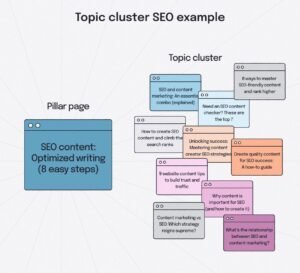
Build Topic Clusters
Instead of publishing unrelated articles, group similar keywords into topic clusters.
For example:
Main Topic: SpyFu
Supporting articles:
- SpyFu Keyword Research
- SpyFu Pricing
- SpyFu vs Ahrefs
- SpyFu Competitor Analysis
- SpyFu PPC Research
Interlinking these articles helps search engines understand your website’s expertise while improving navigation for readers.
Improve Existing Content
Competitor research can also be used to update older articles.
Look for opportunities to:
- Add missing keywords
- Expand sections with more detail
- Include recent examples
- Answer additional user questions
- Improve readability
Refreshing existing content is often quicker than creating entirely new pages and can lead to noticeable improvements in search visibility.
Common Mistakes
Although SpyFu provides valuable data, using it incorrectly can reduce the effectiveness of your SEO strategy.
Avoid these common mistakes:
Copying Competitor Content
Use competitor research for inspiration, not duplication. Always create original content that offers unique insights and additional value.
Ignoring Search Intent
Ranking for a keyword is difficult if your content does not match what users expect. Understand whether the keyword is informational, commercial, or transactional before writing.
Targeting Only High-Volume Keywords
High search volume often means stronger competition. Include long-tail and lower-competition keywords to improve your chances of ranking.
Skipping Keyword Prioritization
Not every keyword deserves immediate attention. Focus first on keywords that align with your business goals, audience, and content strategy.
Forgetting to Update Research
SEO changes constantly. Competitor rankings and keyword opportunities evolve over time, so revisit your research regularly to keep your strategy current.
Frequently Asked Questions (FAQs)
1. What are competitor keywords in SpyFu?
Competitor keywords are the search terms that competing websites rank for in organic search or target through Google Ads. SpyFu helps you discover these keywords so you can identify new SEO opportunities, improve your content strategy, and understand how competitors attract traffic.
2. How does SpyFu find competitor keywords?
SpyFu collects search engine and advertising data to show the keywords a domain ranks for organically and the keywords it bids on in paid search campaigns. By entering a competitor’s domain into SpyFu, you can access reports containing keyword rankings, search volume, CPC, ranking history, and estimated traffic.
3. Can I analyze multiple competitors at the same time?
Yes. SpyFu allows you to compare multiple competitor domains. Analyzing several competitors helps you discover common keywords, identify content gaps, and uncover opportunities that may not appear when researching a single website.
4. Are competitor keywords useful for beginners?
Absolutely. Competitor keyword research is one of the easiest ways for beginners to build an effective SEO strategy. Instead of guessing which keywords to target, beginners can learn from websites that already rank well and use those insights to create better content.
5. Can SpyFu show both SEO and PPC keywords?
Yes. SpyFu provides access to both organic keywords and paid keywords. Organic keywords help improve long-term SEO performance, while PPC keywords reveal which search terms competitors are investing in through Google Ads.
6. How often should I perform competitor keyword research?
Competitor analysis should be an ongoing activity rather than a one-time task. Reviewing competitor keywords every few months helps you discover new ranking opportunities, monitor industry trends, and update your content strategy as search behavior changes.
7. Can I export competitor keyword reports?
Yes. SpyFu allows users to export keyword reports for further analysis. Exporting data makes it easier to organize keywords, create content calendars, prepare SEO reports, and collaborate with team members or clients.
8. Should I target every competitor keyword?
No. Focus on keywords that are relevant to your business, match your audience’s search intent, and have realistic competition levels. Prioritizing quality over quantity leads to better SEO performance and more meaningful traffic.
9. Does competitor keyword research improve rankings?
Competitor research itself does not improve rankings, but the insights gained can help you create more targeted content, optimize existing pages, and identify keyword opportunities. Implementing these improvements consistently can contribute to stronger search engine visibility over time.
10. Is SpyFu suitable for small businesses?
Yes. SpyFu is an excellent choice for small businesses because it provides affordable access to competitor analysis, keyword research, PPC insights, and historical data. These features help businesses compete more effectively without requiring a large marketing budget.
Final Checklist
Before publishing content based on competitor keyword research, review the following checklist:
✅ Identify your top SEO competitors.
✅ Enter competitor domains into SpyFu.
✅ Analyze organic keyword rankings.
✅ Review competitor PPC keywords.
✅ Perform keyword gap analysis.
✅ Export important keyword data.
✅ Group keywords by search intent.
✅ Create original, high-quality content.
✅ Optimize titles, headings, and meta descriptions.
✅ Monitor keyword rankings regularly.
✅ Update older content with newly discovered keywords.
✅ Repeat competitor research periodically to stay ahead of industry trends.
Following this checklist will help you build a structured and data-driven SEO strategy while making the most of SpyFu’s competitor research tools.
Conclusion
Competitor keyword research is one of the most effective ways to strengthen an SEO strategy. Instead of relying on assumptions, it allows you to use real search data to identify valuable keywords, discover content opportunities, and understand what is already working in your industry.
SpyFu simplifies this process by providing detailed insights into competitors’ organic rankings, paid keywords, historical performance, and keyword gaps. These features enable businesses to make informed decisions when planning new content, optimizing existing pages, or improving advertising campaigns.
However, successful SEO is not about copying competitors. The real advantage comes from analyzing their strategies, identifying opportunities they may have overlooked, and creating content that offers greater value, better user experience, and more comprehensive information.
By combining regular competitor analysis with high-quality content creation and ongoing performance monitoring, you can steadily improve your website’s authority, attract more qualified visitors, and build a sustainable long-term SEO strategy.
Discover Competitor Keywords with SpyFu
Use SpyFu to uncover competitor keywords, identify content opportunities, and strengthen your SEO strategy. Turn valuable keyword insights into high-quality content that attracts more organic traffic and helps your website outrank the competition.
Leave a Reply