


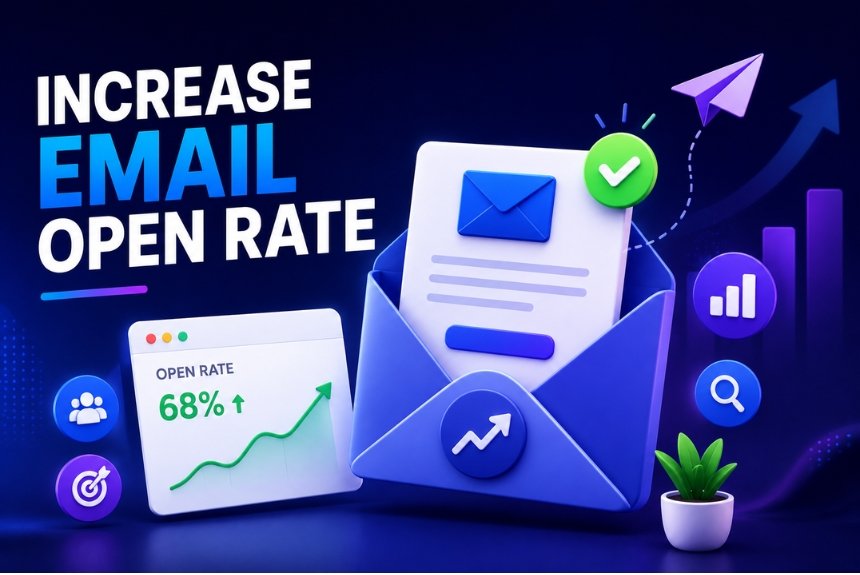
How to Increase Email Open Rates
Email marketing continues to be one of the most effective digital marketing channels, delivering exceptional return on investment when executed correctly. However, even the most valuable email content won’t generate results if recipients never open your messages.
Your email open rate is the first major indicator of campaign success. A low open rate means your audience isn’t engaging with your emails, reducing opportunities for clicks, conversions, and sales. On the other hand, consistently high open rates indicate that your subscribers trust your brand and find your communications relevant.
Improving email open rates isn’t about using clickbait subject lines or sending more emails. It requires a thoughtful strategy that combines compelling subject lines, optimized preview text, audience segmentation, personalization, timing, testing, and continuous optimization.
In this comprehensive guide, you’ll learn:
- Why email open rates matter
- How to write subject lines that attract attention
- The importance of preview text
- Personalization techniques
- Best times to send emails
- Audience segmentation strategies
- A/B testing methods
- How to measure email performance
- Common mistakes to avoid
- A practical checklist for improving open rates
Whether you’re a small business owner, marketer, blogger, or ecommerce brand, these strategies can help you improve engagement and maximize the impact of your email campaigns.
Why Email Open Rates Matter
An email open rate measures the percentage of recipients who open your email after it has been delivered.
Formula
Email Open Rate = (Unique Opens ÷ Delivered Emails) × 100
Although open rates should be viewed alongside other metrics such as click-through rate (CTR) and conversions, they remain an important indicator of how well your emails capture attention.
Benefits of Higher Open Rates
Improving your open rate can lead to:
- More website traffic
- Higher click-through rates
- Increased lead generation
- Better customer engagement
- More product sales
- Improved brand awareness
- Stronger customer relationships
- Better return on investment (ROI)
Simply put, more opens create more opportunities for meaningful interactions with your audience.
Factors That Influence Open Rates
Several factors affect whether recipients decide to open your email:
- Subject line quality
- Sender name recognition
- Preview text
- Personalization
- Sending time
- Audience segmentation
- Email frequency
- List quality
- Brand reputation
- Mobile optimization
Improving these elements together is more effective than focusing on just one.
Subject Line Best Practices
Your subject line is often the first thing recipients notice. In a crowded inbox, it determines whether your email is opened, ignored, or deleted.
An effective subject line should be:
- Clear
- Relevant
- Concise
- Benefit-focused
- Honest
- Personalized when appropriate
Keep It Short
Many recipients read emails on mobile devices, where longer subject lines may be truncated.
Aim for approximately 40–60 characters to ensure the key message is visible across most devices.
Example
❌ Our Company Has Some Really Exciting News That You Should Read Today
✅ Your Free Marketing Guide Is Ready
Focus on Benefits
Instead of describing your email, highlight the value readers will receive.
Weak
Monthly Newsletter – July Edition
Better
5 Proven Ways to Grow Your Email List This Month
Readers are more likely to open emails that promise a clear benefit.
Create Curiosity (Without Being Misleading)
Curiosity can increase opens, but avoid misleading or exaggerated claims.
Example
“One Small Change That Increased Our Sales by 30%”
This encourages readers to learn more while remaining credible.
Personalize Subject Lines
Including the recipient’s name or other relevant information can make emails feel more personal.
Example
“Sarah, Your Exclusive Offer Ends Tonight”
Personalization should always feel natural and relevant.
Use Numbers
Specific numbers often make subject lines more compelling.
Examples:
- 7 Email Marketing Tips
- Save 20% Today
- 10 Landing Page Mistakes to Avoid
Numbers help readers quickly understand what to expect.
Ask Questions
Questions encourage recipients to think about their own needs.
Examples:
- Are You Losing Potential Customers?
- Ready to Improve Your Email Marketing?
- Is Your Landing Page Costing You Sales?
Create Urgency Carefully
Urgency can improve open rates when used honestly.
Examples:
- Offer Ends Tonight
- Last Chance to Register
- Final Reminder
Avoid overusing urgency, as it can reduce credibility over time.
Avoid Spam Trigger Words
Certain words and formatting choices may reduce deliverability or discourage recipients from opening your emails.
Examples to avoid:
- FREE!!!
- GUARANTEED
- BUY NOW
- ACT IMMEDIATELY
- 100% RISK FREE
- CLICK HERE
Also avoid:
- Excessive capitalization
- Multiple exclamation marks
- Overuse of emojis
- Misleading claims
Subject Line Formulas That Work
How-To Formula
How to Increase Email Open Rates Without Sending More Emails
Number Formula
9 Proven Email Marketing Tips That Deliver Results
Question Formula
Are Your Emails Being Ignored?
Curiosity Formula
The Simple Change That Improved Our Open Rate
Benefit Formula
Increase Your Sales With Better Email Campaigns
Time-Based Formula
Improve Your Email Marketing in Just 10 Minutes
Subject Line Examples
| Goal | Subject Line Example |
| Lead Generation | Download Your Free Marketing Checklist |
| Ecommerce | Your Favorite Products Are Back in Stock |
| Webinar | Reserve Your Seat Before Registration Closes |
| Product Launch | Introducing Our New Automation Features |
| Newsletter | This Week’s Top Marketing Strategies |
| Discount | Save 25% Before Midnight |
| Educational | 10 SEO Mistakes You Should Avoid |
| Re-engagement | We Miss You! Here’s Something Special |
Sender Name Matters Too
Recipients often decide whether to open an email based on who sent it.
Best practices:
- Use a recognizable business name.
- Keep the sender name consistent.
- Avoid generic addresses such as “no-reply.”
- If appropriate, combine a person’s name with your brand (for example, “Emma from BrandName”).
A familiar sender builds trust and improves recognition over time.
Build Trust Before the Inbox
Strong open rates begin before you send your campaign.
You can improve trust by:
- Setting clear expectations during signup.
- Explaining what subscribers will receive.
- Delivering valuable content consistently.
- Avoiding excessive email frequency.
- Honoring unsubscribe requests promptly.
Subscribers who know what to expect are more likely to engage with future emails.
Preview Text Optimization
While the subject line grabs attention, the preview text (also called preheader text) gives recipients a reason to open the email. Many marketers overlook this element, but it can significantly influence open rates.
Think of the preview text as a second headline that supports your subject line.
What is Preview Text?
Preview text is the short snippet displayed next to or below the subject line in most email clients.
Example
Subject Line:
Increase Your Email Open Rate Today
Preview Text:
Discover 10 proven strategies that successful marketers use to improve email engagement.
Together, these elements create a stronger reason for recipients to click.
Best Practices for Preview Text
1. Support the Subject Line
Instead of repeating the subject line, expand on it.
Weak Example
Subject:
Free Marketing Guide
Preview:
Free Marketing Guide
Better Example
Subject:
Free Marketing Guide
Preview:
Download practical templates and strategies to improve your campaigns.
2. Keep It Short
Aim for 40–90 characters so the message remains visible on most desktop and mobile email clients.
3. Include a Benefit
Tell readers what they will gain.
Examples:
- Learn how to double your conversions.
- Download free marketing templates.
- Save time with marketing automation.
- Improve your email performance today.
4. Create Curiosity
Encourage readers to learn more without using misleading clickbait.
Example:
“One overlooked strategy could transform your email marketing.”
Personalization
Modern subscribers expect personalized communication. Generic email blasts often generate lower engagement than emails tailored to individual interests and behaviors.
Personalization goes beyond simply adding a recipient’s first name.
Types of Personalization
Basic Personalization
Include details such as:
- First name
- Company name
- Location
Example:
Hi John,
Thanks for joining our community.
Behavioral Personalization
Use subscriber actions to trigger relevant emails.
Examples:
- Viewed a product
- Downloaded a guide
- Registered for a webinar
- Abandoned a shopping cart
- Completed a purchase
Purchase-Based Personalization
Recommend products or services based on previous purchases.
Examples:
- Complementary products
- Accessories
- Renewal reminders
- Loyalty rewards
Dynamic Content
Some email platforms allow different subscribers to see different content within the same email based on:
- Interests
- Location
- Device
- Customer lifecycle stage
- Purchase history
This increases relevance and engagement.
Best Sending Time
Even a great email can perform poorly if it’s delivered when your audience isn’t checking their inbox.
Although the best time varies by industry and audience, some general patterns have emerged.
General Best Practices
Many marketers see strong engagement during:
- Tuesday
- Wednesday
- Thursday
Common sending windows include:
- Morning (8:00–10:00)
- Late morning (10:00–11:30)
- Early afternoon (1:00–3:00)
These are starting points, not universal rules.
Know Your Audience
Different audiences behave differently.
B2B Businesses
Business audiences often engage during working hours on weekdays.
Ecommerce Brands
Consumer audiences may respond better during evenings or weekends when they have more free time.
International Audiences
If you have subscribers in multiple time zones, schedule emails based on each recipient’s local time whenever possible.
Use Send-Time Optimization
Many modern email marketing platforms use AI to analyze engagement history and automatically deliver emails when each subscriber is most likely to open them.
This can improve open rates without requiring manual scheduling.
Audience Segmentation
Segmentation is one of the most effective ways to increase email open rates because it ensures subscribers receive content that matches their interests.
Instead of sending identical emails to everyone, divide your audience into smaller, more relevant groups.
Common Segmentation Criteria
Demographics
- Age
- Gender
- Location
- Industry
Purchase History
Examples:
- New customers
- Repeat customers
- High-value customers
- Inactive buyers
Engagement Level
Separate subscribers based on:
- Frequently opens emails
- Occasionally opens emails
- Never opens emails
Inactive subscribers may require a dedicated re-engagement campaign.
Customer Journey
Examples:
- New subscribers
- Leads
- Trial users
- Active customers
- Loyal customers
Each stage requires different messaging.
Interests
Allow subscribers to choose the topics they want to receive.
This improves relevance and reduces unsubscribe rates.
A/B Testing
One of the fastest ways to improve open rates is through continuous testing.
A/B testing compares two versions of an email to determine which performs better.
Test Subject Lines
Example:
Version A:
Increase Your Sales Today
Version B:
10 Proven Ways to Increase Sales
Measure which version achieves a higher open rate.
Test Preview Text
Experiment with different supporting messages.
Version A:
Download our free guide.
Version B:
Discover practical marketing strategies used by successful businesses.
Test Sender Names
Examples:
- Company Name
- Sarah from Company Name
- Marketing Team
- Customer Success Team
Different audiences may respond differently.
Test Sending Times
Compare:
- Morning vs afternoon
- Weekday vs weekend
- Different time zones
Use data to determine the best schedule for your audience.
Test Personalization
Compare:
Subject:
John, Here’s Your Marketing Guide
versus
Download Your Marketing Guide
Personalized subject lines often improve engagement, but results vary by audience.
A/B Testing Best Practices
- Test one variable at a time.
- Use a large enough sample size.
- Wait until results are statistically meaningful.
- Document findings.
- Apply winning variations to future campaigns.
Optimization is a continuous process rather than a one-time activity.
Measuring Email Performance
Increasing your email open rate is only the first step. To build a successful email marketing strategy, you need to monitor campaign performance, identify improvement opportunities, and continuously optimize your emails based on real data.
Modern email marketing platforms provide detailed analytics that help marketers understand subscriber behavior and campaign effectiveness.
Key Email Marketing Metrics
1. Open Rate
Definition:
The percentage of delivered emails that were opened.
Formula
Open Rate = (Unique Opens ÷ Delivered Emails) × 100
A higher open rate usually indicates that your sender reputation, subject line, and preview text are resonating with subscribers.
2. Click-Through Rate (CTR)
CTR measures how many recipients clicked a link inside your email.
Formula
CTR = (Unique Clicks ÷ Delivered Emails) × 100
A high open rate with a low CTR often suggests that the email content or call-to-action needs improvement.
3. Click-to-Open Rate (CTOR)
CTOR measures how many people who opened the email actually clicked a link.
Formula
CTOR = (Unique Clicks ÷ Unique Opens) × 100
This metric helps evaluate the quality and relevance of your email content.
4. Conversion Rate
Conversion rate tracks the percentage of recipients who completed the desired action after clicking your email.
Examples include:
- Purchasing a product
- Registering for a webinar
- Downloading an eBook
- Booking a consultation
- Starting a free trial
This is often one of the most important metrics because it reflects business outcomes rather than just engagement.
5. Bounce Rate
Bounce rate measures emails that could not be delivered.
Types of Bounces
Soft Bounce
Temporary delivery issue, such as a full inbox.
Hard Bounce
Permanent delivery failure due to an invalid or non-existent email address.
Regularly removing invalid addresses helps protect sender reputation.
6. Unsubscribe Rate
This metric shows how many recipients opted out after receiving your email.
A rising unsubscribe rate may indicate:
- Sending emails too frequently
- Irrelevant content
- Poor audience targeting
- Misaligned expectations
7. Spam Complaint Rate
Spam complaints are one of the strongest indicators of subscriber dissatisfaction.
Reduce complaints by:
- Using confirmed opt-in (where appropriate)
- Sending only relevant content
- Providing a clear unsubscribe option
- Avoiding misleading subject lines
Tools for Measuring Email Performance
Use reliable analytics tools to track campaign performance and make data-driven decisions.
Popular options include:
- Email marketing platform dashboards
- Google Analytics
- Google Search Console (for supporting website insights)
- Microsoft Clarity (behavior analysis)
- CRM reporting tools
These tools can help connect email engagement with website activity and conversions.
How to Continuously Improve Open Rates
Email marketing is an ongoing optimization process.
Follow this cycle:
- Plan your campaign.
- Send to a targeted audience.
- Measure results.
- Identify opportunities.
- Test improvements.
- Repeat consistently.
Even small improvements over time can significantly increase engagement.
Frequently Asked Questions (FAQs)
1. What is a good email open rate?
A “good” open rate varies by industry, audience, and email type. Instead of chasing a universal benchmark, focus on improving your own performance over time and comparing similar campaigns.
2. How can I increase my email open rate?
Some proven methods include:
- Writing compelling subject lines
- Optimizing preview text
- Personalizing emails
- Segmenting your audience
- Sending emails at appropriate times
- Running A/B tests
- Maintaining a healthy email list
3. Does personalization improve open rates?
Yes. Personalized emails often perform better because they feel more relevant to recipients. However, personalization should always add genuine value rather than simply inserting a first name.
4. How often should I send marketing emails?
The ideal frequency depends on your audience and content. Monitor engagement metrics to find a cadence that keeps subscribers interested without causing fatigue.
5. Should I clean my email list?
Absolutely. Removing inactive or invalid subscribers can improve deliverability, protect sender reputation, and provide more accurate campaign metrics.
6. Why is audience segmentation important?
Segmentation allows you to send relevant content to specific subscriber groups, improving engagement, click-through rates, and overall campaign performance.
7. Is A/B testing necessary?
Yes. Continuous testing helps identify which subject lines, preview text, sender names, and sending times perform best with your audience.
8. Does mobile optimization affect open rates?
Indirectly, yes. While mobile optimization may not determine whether an email is opened, it greatly influences the user experience after the open, which can improve engagement and future open rates.
9. Can too many emails reduce open rates?
Yes. Sending emails too frequently may lead to subscriber fatigue, lower engagement, higher unsubscribe rates, and more spam complaints.
10. What is the biggest mistake in email marketing?
One of the most common mistakes is sending the same email to every subscriber without considering their interests, behavior, or stage in the customer journey.
Final Email Open Rate Checklist
Before sending your next campaign, review this checklist:
Subject Line
- Clear and concise
- Benefit-focused
- Free from spam-like wording
- Appropriate length
- Relevant to the content
Preview Text
- Supports the subject line
- Highlights value
- Encourages curiosity
- Optimized for mobile devices
Personalization
- Relevant audience segmentation
- Appropriate use of subscriber data
- Personalized recommendations where possible
Email Content
- Valuable and easy to read
- Mobile-friendly design
- Clear call-to-action
- Minimal unnecessary content
Sending Strategy
- Appropriate timing
- Suitable frequency
- Healthy contact list
- Consistent sender identity
Testing
- A/B test subject lines
- Test preview text
- Test sender names
- Test send times
- Review analytics after every campaign
Expert Tips to Increase Email Open Rates
- Build your email list organically with permission-based signups.
- Keep your sender name consistent to build recognition.
- Deliver valuable content before promoting products.
- Use segmentation to make every email more relevant.
- Remove inactive subscribers periodically.
- Avoid misleading subject lines.
- Optimize for mobile-first readers.
- Analyze campaign performance regularly.
- Continue testing and refining your strategy.
Final Thoughts
Improving email open rates isn’t about finding a single trick—it’s about consistently applying proven best practices. Strong subject lines, compelling preview text, thoughtful personalization, audience segmentation, and regular testing work together to create emails that subscribers actually want to open.
As inbox competition continues to grow, relevance and trust become even more important. Businesses that focus on delivering useful, timely, and personalized content are more likely to build long-term engagement and stronger customer relationships.
Ready to improve your email marketing performance?
Start by reviewing your next campaign before you send it. Refine your subject line, optimize your preview text, segment your audience, and run an A/B test on one key element. Measure the results, learn from the data, and repeat the process consistently.
Small improvements made over time can lead to higher open rates, stronger engagement, and better business outcomes.
SEO Keyword Strategy
Primary Keyword
- Increase Email Open Rate
Secondary Keywords
- Email open rate optimization
- Improve email open rates
- Email subject line tips
- Email preview text
- Email personalization
- Email marketing best practices
- Email segmentation
- Email A/B testing
- Email marketing analytics
- Increase email engagement
- Better email deliverability
- Email campaign optimization
- Email performance metrics
- Marketing email strategy
- Email marketing guide
Long-Tail Keywords
- How to increase email open rates
- Best email subject lines for higher open rates
- Improve email marketing performance
- Email personalization strategies
- Best time to send marketing emails
- Email segmentation best practices
- How to write email preview text
- Email A/B testing guide
- Email open rate checklist
- Beginner’s guide to email marketing optimization
Suggested Internal Links
Support this article with links to:
- Marketing Automation for Beginners
- Best Marketing Automation Software for Small Businesses
- Landing Page Builder Guide
- GetResponse Review 2026
- GetResponse vs Constant Contact
- Email Marketing Best Practices
- Lead Generation Strategies
- Conversion Rate Optimization Guide
- CRM for Small Businesses
- Digital Marketing Strategy Guide
Conclusion
Email open rates are influenced by a combination of trust, relevance, timing, and continuous optimization. Rather than relying on shortcuts, focus on creating valuable content, writing compelling subject lines, using effective preview text, personalizing messages, and testing different approaches.
With a consistent, data-driven strategy, you can steadily improve engagement, build stronger relationships with your subscribers, and maximize the effectiveness of your email marketing campaigns.
Leave a Reply