


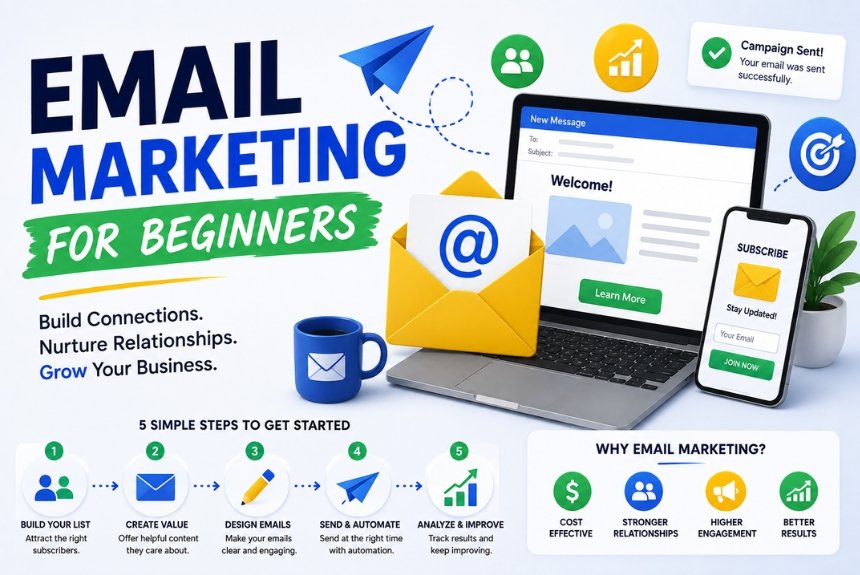
How to Start Email Marketing for Beginners
Email marketing is one of the most effective and affordable ways to connect with your audience. Whether you’re a small business owner, blogger, freelancer, ecommerce seller, or startup founder, email marketing helps you build relationships, promote products, and increase sales without relying entirely on social media or paid advertising.
Unlike social platforms, where algorithms control how many people see your content, email gives you direct access to your subscribers’ inboxes. This makes it one of the most reliable digital marketing channels for communicating with your audience and encouraging repeat engagement.
Many beginners believe email marketing is complicated or requires technical knowledge. In reality, modern email marketing platforms make it simple to design professional emails, automate campaigns, and track performance using intuitive drag-and-drop tools.
The biggest challenge is knowing where to begin. Questions like How do I build an email list? Which email marketing platform should I choose? What should I include in my first email? are common among beginners.
This guide answers those questions and walks you through every essential step. By the end, you’ll understand how email marketing works, how to grow your subscriber list, create your first campaign, measure success, and avoid common mistakes.
Whether your goal is to increase website traffic, generate leads, or boost online sales, this beginner-friendly guide will help you build a strong foundation for long-term email marketing success.
What is Email Marketing?
Email marketing is a digital marketing strategy that involves sending emails to a group of people who have agreed to receive updates from your business or brand. These emails may include newsletters, promotional offers, educational content, event invitations, product announcements, or personalized recommendations.
Unlike spam emails sent to random recipients, email marketing is permission-based. Subscribers voluntarily provide their email addresses through signup forms, landing pages, purchases, or other interactions because they want to hear from your business.
This permission-based approach helps businesses build trust while delivering relevant content to the right audience.
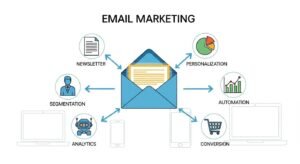
How Email Marketing Works
The email marketing process is straightforward and follows a few key steps:
- A visitor subscribes to your email list through a signup form or landing page.
- Their contact information is stored in your email marketing platform.
- You create and send valuable email content to your subscribers.
- The platform tracks metrics such as opens, clicks, and conversions.
- You use these insights to improve future campaigns.
Over time, this process helps strengthen customer relationships and encourages repeat engagement.
Types of Email Marketing
Different types of emails serve different purposes. Understanding these categories will help you plan your campaigns effectively.
1. Welcome Emails
Welcome emails are sent immediately after someone subscribes to your mailing list. They introduce your brand, set expectations, and often include a special offer or useful resource.
2. Newsletters
Newsletters keep subscribers informed about company updates, industry news, blog posts, and upcoming events. They help maintain regular communication without focusing solely on sales.
3. Promotional Emails
These emails highlight discounts, new products, seasonal offers, and limited-time deals. Promotional emails are commonly used to increase traffic and sales.
4. Educational Emails
Educational content provides value by sharing guides, tutorials, tips, or case studies. This type of email helps establish your brand as a trusted source of information.
5. Transactional Emails
Transactional emails are automatically triggered by customer actions, such as order confirmations, shipping updates, password resets, or payment receipts.
6. Re-engagement Emails
These campaigns target inactive subscribers with personalized messages, exclusive offers, or reminders to encourage them to interact with your brand again.
Benefits of Email Marketing
Email marketing offers several advantages compared to other digital marketing channels.
| Benefit | Description |
| Direct Communication | Reach subscribers in their inbox without relying on social media algorithms. |
| Cost-Effective | Suitable for businesses with small marketing budgets. |
| Personalization | Tailor emails based on customer interests and behavior. |
| Measurable Results | Track opens, clicks, conversions, and other performance metrics. |
| Automation | Schedule campaigns and automate repetitive tasks. |
| Customer Retention | Stay connected with existing customers through regular communication. |
These benefits make email marketing a valuable long-term strategy for businesses of all sizes.
Key Email Marketing Terms Every Beginner Should Know
Before launching your first campaign, it’s helpful to understand some common terminology.
| Term | Meaning |
| Subscriber | A person who has signed up to receive your emails. |
| Email List | A collection of subscriber email addresses. |
| Open Rate | Percentage of recipients who opened your email. |
| Click-Through Rate (CTR) | Percentage of recipients who clicked a link in your email. |
| Bounce Rate | Percentage of emails that could not be delivered. |
| Call-to-Action (CTA) | A button or link encouraging readers to take action. |
| Automation | Emails sent automatically based on user actions or schedules. |
Learning these terms will make it easier to understand reports and improve your campaigns over time.
Why Email Marketing Matters
Email marketing remains one of the most dependable ways to communicate with customers because it gives businesses direct access to their audience. Unlike social media platforms, where visibility depends on changing algorithms, email allows you to control when and how your message is delivered.
For beginners, this means you can build an audience that belongs to you rather than relying entirely on third-party platforms.
1. Build Long-Term Relationships
Regular emails help keep your business in front of your audience. By consistently sharing valuable information, helpful resources, and relevant offers, you can strengthen trust and encourage customer loyalty.
2. Increase Website Traffic
Every email provides an opportunity to direct subscribers to your website, blog, product pages, or landing pages. This steady flow of traffic can improve engagement and support other marketing goals.
3. Generate More Leads and Sales
Well-planned email campaigns can nurture potential customers through the buying journey. Educational content builds trust, while promotional emails encourage purchases at the right time.
4. Cost-Effective Marketing
Compared to many advertising channels, email marketing requires a relatively small investment. Most platforms offer affordable plans that allow beginners to start with a modest subscriber list and scale as their audience grows.
5. Easy to Measure
Modern email marketing platforms provide detailed reports showing how subscribers interact with your campaigns. These insights help you identify what works and refine your strategy for better results.
How Email Marketing Fits into a Digital Marketing Strategy
Email marketing is most effective when it works alongside other digital marketing channels rather than replacing them. Businesses often use social media, search engine optimization (SEO), content marketing, and paid advertising to attract visitors, while email marketing helps convert those visitors into loyal customers.
For example, a visitor may discover your website through a Google search, download a free guide, subscribe to your newsletter, and later receive personalized emails recommending products or services. This customer journey demonstrates how email marketing nurtures relationships after the initial interaction.
Unlike social media, where algorithms determine how many people see your content, email gives businesses direct access to subscribers who have already shown interest in their brand. This makes it an excellent channel for building trust and encouraging repeat purchases.
A balanced digital marketing strategy often includes:
- Search engine optimization (SEO) to attract organic visitors.
- Content marketing through blogs, guides, and videos.
- Social media marketing to increase brand awareness.
- Paid advertising to generate targeted traffic.
- Email marketing to nurture leads and retain customers.
When these channels work together, businesses can create a consistent customer experience and improve overall marketing performance.
How the Email Marketing Process Works
Understanding the complete email marketing process helps beginners plan campaigns more effectively. Although each business has different goals, the overall workflow follows a similar pattern.
Step 1: Attract Visitors
The first step is bringing people to your website, landing page, or social media profile. Businesses often use blog articles, social media posts, advertisements, webinars, or videos to attract potential subscribers.
Step 2: Collect Email Addresses
Once visitors arrive, encourage them to subscribe using signup forms or lead magnets such as free eBooks, templates, checklists, discount coupons, or exclusive content.
Step 3: Organize Subscribers
After collecting email addresses, group subscribers based on their interests, location, purchase history, or behavior. Segmentation allows you to send more relevant emails.
Step 4: Create Valuable Content
Plan emails that educate, inform, or solve problems. Promotional content should be balanced with useful information to keep subscribers engaged.
Step 5: Send or Automate Campaigns
Launch your campaign immediately or schedule it for a later date. Automation tools can send welcome emails, follow-up messages, and reminders automatically.
Step 6: Measure Results
After sending the campaign, review performance reports to understand subscriber behavior. Analyze open rates, click-through rates, conversions, and unsubscribe rates to identify areas for improvement.
Following this process consistently helps businesses improve campaign performance over time.
Benefits of Email Marketing for Different Types of Businesses
One of the biggest strengths of email marketing is its flexibility. Almost every industry can use it to communicate with customers and achieve different business objectives.
Small Businesses
Small businesses can announce new products, promote special offers, and build stronger relationships with local customers without spending heavily on advertising.
Ecommerce Stores
Online retailers use email marketing to recover abandoned carts, recommend products, announce sales, and encourage repeat purchases.
Bloggers and Content Creators
Bloggers can share new articles, grow their audience, and increase website traffic by sending regular newsletters.
Educational Institutions
Schools, colleges, and training centers can communicate with students, parents, and staff regarding admissions, events, and important announcements.
Nonprofit Organizations
Nonprofits often use email marketing to promote fundraising campaigns, recruit volunteers, and share updates with donors and supporters.
Freelancers and Consultants
Professionals can use email newsletters to demonstrate expertise, share industry insights, and stay connected with clients and prospects.
Advantages and Limitations of Email Marketing
Like every marketing strategy, email marketing has both strengths and limitations. Understanding both will help beginners set realistic expectations.
| Advantages | Limitations |
| Low marketing cost | Requires time to build an email list |
| Direct communication with customers | Competition for attention in crowded inboxes |
| Easy performance tracking | Poor content can reduce engagement |
| Supports automation | Spam filters may affect deliverability |
| Highly personalized | Requires regular list maintenance |
| Suitable for businesses of all sizes | Success depends on consistent effort |
Although email marketing requires patience and ongoing optimization, its long-term benefits often outweigh the challenges.
Essential Email Marketing Tools for Beginners
Starting with the right tools makes the learning process much easier. While advanced software may include hundreds of features, beginners only need a few essential tools.
| Tool | Purpose |
| Email Marketing Platform | Create and send campaigns |
| Landing Page Builder | Collect email subscribers |
| Graphic Design Tool | Design banners and email graphics |
| Analytics Tool | Track campaign performance |
| Form Builder | Create signup forms |
| CRM (Optional) | Manage customer information |
Most modern email marketing platforms combine several of these tools into a single dashboard, allowing beginners to manage campaigns more efficiently.
Setting Realistic Expectations
Many beginners expect immediate results after sending their first campaign. In reality, successful email marketing is a long-term strategy that improves with consistency and continuous optimization.
Your first campaign may not generate hundreds of sales or thousands of subscribers, and that’s completely normal. Focus on learning from each campaign by reviewing analytics, testing subject lines, improving content, and understanding what resonates with your audience.
Over time, these small improvements lead to stronger subscriber relationships, higher engagement rates, and better marketing results.
The key is to remain consistent, provide genuine value, and treat your subscribers as long-term relationships rather than one-time customers.
Why Beginners Should Start Early
Many businesses wait until they have a large audience before investing in email marketing. However, building an email list takes time, and starting early allows you to grow your subscriber base steadily while learning what resonates with your audience.
Even if you have only a few dozen subscribers, consistent communication and valuable content can lay the foundation for long-term marketing success.
Build Your First Email List
Your email list is the foundation of every successful email marketing strategy. Before sending campaigns, you need people who have given you permission to receive your emails. A high-quality email list is far more valuable than a large list of uninterested contacts because engaged subscribers are more likely to open your emails, click your links, and become loyal customers.
Why Building an Organic Email List Matters
An organic email list consists of people who willingly subscribe because they are interested in your business, products, or content. These subscribers are generally more engaged and less likely to mark your emails as spam.
Avoid purchasing email lists. Besides violating the policies of most email marketing platforms, purchased lists often result in low engagement, high unsubscribe rates, and poor sender reputation.
Ways to Grow Your Email List
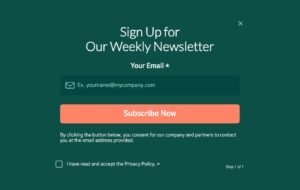
Add Signup Forms to Your Website
Include signup forms on your homepage, blog, landing pages, and contact page. Keep the form simple by asking only for essential information such as a name and email address.
Offer a Lead Magnet
People are more likely to subscribe when they receive something valuable in return. Some popular lead magnets include:
- Free eBooks
- Checklists
- Templates
- Discount coupons
- Exclusive guides
- Webinars
- Free trials
Choose a lead magnet that solves a problem for your target audience.
Use Social Media
Promote your email newsletter on platforms like Facebook, Instagram, LinkedIn, and X. Add your signup link to your bio and encourage followers to subscribe for exclusive content and updates.
Create Dedicated Landing Pages
Landing pages focus on one goal—collecting email addresses. Keep the page clean, explain the benefits of subscribing, and include a clear call-to-action.
Collect Emails During Checkout
If you run an online store, allow customers to subscribe to your newsletter during the checkout process. Always obtain their consent before adding them to your mailing list.
Best Practices for List Building
- Use a double opt-in process when possible.
- Clearly explain what subscribers will receive.
- Keep signup forms short and easy to complete.
- Avoid asking for unnecessary personal information.
- Send a welcome email immediately after someone subscribes.
- Regularly remove inactive or invalid email addresses.
Email List Building Checklist
| Task | Status |
| Create a signup form | ✔ |
| Offer a lead magnet | ✔ |
| Add forms to your website | ✔ |
| Promote your newsletter | ✔ |
| Send a welcome email | ✔ |
| Clean your email list regularly | ✔ |
Building a quality email list takes time, but a smaller, engaged audience will always outperform a large list of uninterested subscribers.
Choose an Email Marketing Platform
After building your email list, the next step is selecting an email marketing platform. These platforms help you manage subscribers, create professional emails, automate campaigns, and track performance.
The right platform depends on your goals, budget, and the features you need. Beginners should prioritize ease of use, reliable customer support, and essential automation features rather than choosing the most advanced software.
Features to Look For
When comparing email marketing tools, consider the following:
- User-friendly dashboard
- Drag-and-drop email editor
- Responsive email templates
- Contact management
- Marketing automation
- Analytics and reporting
- Landing page support
- Third-party integrations
- Affordable pricing
- Reliable customer support
Choosing a platform with these features will make it easier to create and manage successful campaigns.
Popular Email Marketing Platforms
| Platform | Best For | Free Plan |
| Mailchimp | Beginners and small businesses | ✔ |
| Brevo | Email and SMS marketing | ✔ |
| Constant Contact | Small businesses | Trial Available |
| MailerLite | Bloggers and startups | ✔ |
| ConvertKit | Creators and bloggers | ✔ |
Each platform has its own strengths, so evaluate them based on your business needs rather than choosing the most popular option.
Factors to Consider Before Choosing
Ease of Use
A beginner-friendly interface can save time and reduce frustration. Look for platforms with intuitive dashboards and drag-and-drop editors.
Pricing
Many platforms offer free plans or free trials. Start with a plan that fits your budget and upgrade only when your subscriber list grows.
Automation
Basic automation features such as welcome emails, follow-up sequences, and abandoned cart reminders can save time and improve customer engagement.
Templates
Professionally designed templates help you create attractive emails quickly without needing design experience.
Customer Support
Reliable support through chat, email, or phone is especially valuable when you’re learning a new platform.
Setting Up Your Account
Once you’ve selected a platform:
- Create your account.
- Verify your sending email address.
- Import or add your contacts.
- Create your first email list.
- Customize your sender name and branding.
- Set up a welcome email if automation is available.
Taking time to configure your account properly will help ensure better deliverability and a smoother email marketing experience.
Choosing the Right Platform
There is no single platform that is best for everyone. Beginners should focus on software that is easy to learn, fits their budget, and includes the features they need today while allowing room for future growth.
The platform you choose is simply a tool—your success will depend on consistently sending valuable, relevant content to your subscribers.
Create Your First Email Campaign
After building your email list and selecting an email marketing platform, it’s time to create your first email campaign. Your first campaign doesn’t need to be perfect. The goal is to introduce your brand, provide value, and encourage subscribers to engage with your content.
Step 1: Define Your Goal
Every email should have a clear objective. Before you start designing your campaign, ask yourself what you want your subscribers to do after reading the email.
Common campaign goals include:
- Welcome new subscribers
- Promote a product or service
- Share a blog post
- Announce an event
- Offer a discount or coupon
- Generate website traffic
- Collect customer feedback
Having a single goal keeps your email focused and improves its effectiveness.
Step 2: Write an Engaging Subject Line
The subject line is the first thing your subscribers see. A strong subject line encourages recipients to open your email, while a weak one may be ignored.
Tips for Writing Better Subject Lines
- Keep it short and clear.
- Create curiosity without being misleading.
- Highlight a benefit or solution.
- Personalize when appropriate.
- Avoid excessive capital letters and spam-trigger words.
Examples
| Good Subject Lines | Poor Subject Lines |
| Welcome to Our Community! | READ THIS NOW!!! |
| Your Free Marketing Guide Is Ready | Buy Our Product Immediately |
| Save 20% This Weekend Only | Make Money Fast!!! |
Step 3: Design Your Email
A clean and organized design improves readability and encourages subscribers to take action.
Your email should include:
- Company logo
- Simple header
- Personalized greeting
- Valuable content
- High-quality image (if relevant)
- Clear call-to-action button
- Contact information
- Unsubscribe link
Avoid filling the email with too much text or too many images. A clean layout creates a better user experience.
Step 4: Add a Strong Call-to-Action (CTA)
Every email should encourage readers to take the next step.
Examples of effective CTAs include:
- Read More
- Shop Now
- Download the Guide
- Register Today
- Book a Demo
- Start Free Trial
- Contact Us
Use one primary CTA instead of several competing buttons to keep readers focused.
Step 5: Preview and Test
Before sending your campaign, review everything carefully.
Check the following:
- Spelling and grammar
- Links
- Images
- Mobile responsiveness
- Personalization fields
- CTA functionality
Send a test email to yourself or your team to ensure everything displays correctly on different devices.
Step 6: Send or Schedule
Most email marketing platforms allow you to send emails immediately or schedule them for a later date.
Scheduling campaigns can help you reach subscribers when they are more likely to check their inboxes. Experiment with different days and times to determine what works best for your audience.
Measure Performance
Launching a campaign is only the beginning. Measuring performance helps you understand what works and what needs improvement.
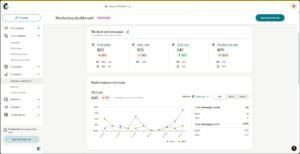
Email marketing platforms provide reports that show how subscribers interact with your campaigns.
Key Metrics to Track
| Metric | What It Measures |
| Open Rate | Percentage of recipients who opened the email |
| Click-Through Rate (CTR) | Percentage who clicked a link |
| Bounce Rate | Emails that could not be delivered |
| Conversion Rate | Subscribers who completed the desired action |
| Unsubscribe Rate | Percentage of people who opted out |
| Spam Complaint Rate | Number of recipients who marked the email as spam |
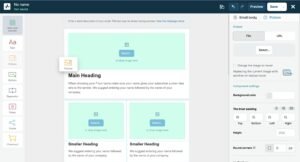
Review these metrics after every campaign and compare results over time to identify trends.
How to Improve Performance
- Test different subject lines.
- Personalize your emails.
- Segment your audience.
- Use clear CTAs.
- Send emails consistently.
- Keep content relevant and valuable.
- Remove inactive subscribers periodically.
Continuous improvement is the key to long-term email marketing success.
Common Beginner Mistakes
Most beginners make mistakes during their first few campaigns. Learning from these common errors can help you build stronger relationships with your subscribers and achieve better results.
1. Buying Email Lists
Purchased email lists often contain inactive or uninterested contacts. This can lead to poor engagement, spam complaints, and reduced email deliverability.
2. Sending Too Many Emails
Sending emails too frequently may annoy subscribers and increase unsubscribe rates. Create a consistent schedule that provides value without overwhelming your audience.
3. Ignoring Mobile Users
Many people read emails on smartphones. Always ensure your emails are mobile-friendly and easy to read on smaller screens.
4. Weak Subject Lines
A boring or misleading subject line reduces open rates. Focus on writing clear, relevant, and engaging subject lines.
5. Forgetting the Call-to-Action
If readers don’t know what to do next, your campaign is less likely to achieve its goal. Include one clear CTA in every email.
6. Not Testing Emails
Broken links, formatting issues, or spelling mistakes can affect your brand’s credibility. Always send a test email before launching a campaign.
7. Ignoring Analytics
Many beginners send emails without reviewing campaign reports. Regularly analyzing your metrics helps you understand subscriber behavior and improve future campaigns.
8. Providing Little Value
Subscribers join your list expecting useful information or exclusive offers. Focus on educating, informing, or solving problems rather than constantly promoting products.
Beginner Success Tips
- Start with one email each week.
- Keep your design simple.
- Write conversational content.
- Personalize whenever possible.
- Build trust before selling.
- Track results and make gradual improvements.
By avoiding these common mistakes and following best practices, beginners can build an engaged email list and create campaigns that deliver long-term value for both the business and its subscribers.
Frequently Asked Questions (FAQs)
1. What is email marketing?
Email marketing is a digital marketing strategy that involves sending emails to people who have subscribed to your mailing list. Businesses use it to share updates, promote products, educate customers, and build long-term relationships.
2. Is email marketing suitable for beginners?
Yes. Modern email marketing platforms are designed with beginner-friendly features such as drag-and-drop editors, ready-made templates, automation tools, and detailed analytics. Even users with no technical knowledge can create professional email campaigns.
3. Do I need a website to start email marketing?
No. While having a website is beneficial, it is not mandatory. You can collect subscribers through landing pages, social media, webinars, online events, or offline signup forms and still run successful email marketing campaigns.
4. How often should I send marketing emails?
There is no fixed rule. Most beginners start with one email per week or two emails per month. The ideal frequency depends on your audience, industry, and the value you provide. Focus on consistency rather than sending emails too often.
5. Can I use a free email marketing platform?
Yes. Many email marketing platforms offer free plans that allow beginners to learn the basics before upgrading. As your subscriber list grows, you can switch to a paid plan for advanced features such as automation and detailed reporting.
6. What should I include in my first email?
Your first email should introduce your business, explain what subscribers can expect from future emails, provide valuable information, and include a clear call-to-action. Keep the message friendly, concise, and focused on building trust.
7. How long should a marketing email be?
The ideal length depends on the purpose of the campaign. Promotional emails are usually short and direct, while newsletters and educational emails can be longer if they provide useful information. Avoid unnecessary content and make every section valuable.
8. What is a good email open rate?
Open rates vary across industries. Instead of comparing your results with others, monitor your own performance over time and aim for continuous improvement by testing subject lines, personalizing content, and sending relevant emails.
9. Is buying an email list a good idea?
No. Buying email lists can damage your sender reputation, reduce engagement, increase spam complaints, and violate the policies of most email marketing platforms. Always build your email list through permission-based methods.
10. How can I improve my email marketing results?
You can improve results by creating valuable content, segmenting your audience, personalizing emails, writing better subject lines, testing different campaign elements, and reviewing analytics after every campaign.
Final Checklist
Before launching your email marketing strategy, make sure you’ve completed these essential steps.
| Checklist Item | Status |
| Define your email marketing goals | ✔ |
| Choose a reliable email marketing platform | ✔ |
| Create a permission-based email list | ✔ |
| Design a professional email template | ✔ |
| Write a compelling subject line | ✔ |
| Add a clear call-to-action | ✔ |
| Test the email before sending | ✔ |
| Schedule or send the campaign | ✔ |
| Track campaign performance | ✔ |
| Improve future campaigns using analytics | ✔ |
Completing this checklist will help you launch campaigns with greater confidence and reduce common beginner mistakes.
Conclusion
Email marketing remains one of the most effective digital marketing strategies for businesses, entrepreneurs, bloggers, and content creators. It provides a direct and reliable way to communicate with your audience, build trust, promote products or services, and encourage long-term customer loyalty.
For beginners, the process may seem challenging at first, but starting with the basics makes it much easier. By building a permission-based email list, selecting the right platform, creating valuable content, and regularly analyzing campaign performance, you can gradually develop an effective email marketing strategy.
Remember that successful email marketing is not about sending the most emails—it’s about sending the right message to the right audience at the right time. Consistency, personalization, and continuous improvement are the keys to long-term success.
As your experience grows, you can explore advanced techniques such as automation, audience segmentation, A/B testing, and behavioral email campaigns to further improve engagement and conversions.
Start Your Email Marketing Journey Today
Now that you understand the fundamentals of email marketing for beginners, it’s time to put your knowledge into practice. Start by choosing a beginner-friendly email marketing platform, create your first email list, and send your first campaign with confidence.
Focus on providing value to your subscribers, monitor your results, and refine your strategy with every campaign. With patience, consistency, and a customer-first approach, email marketing can become one of the most powerful tools for growing your business, strengthening customer relationships, and achieving your marketing goals.
Leave a Reply