



How to Use SpyFu for Keyword Research
Keyword research is the foundation of every successful SEO strategy. Whether you’re writing blog posts, optimizing service pages, running PPC campaigns, or building an eCommerce website, choosing the right keywords determines how easily potential customers can discover your content through search engines.
Many businesses make the mistake of targeting highly competitive keywords without understanding search intent, keyword difficulty, or competitor strategies. As a result, they invest significant time and effort into creating content that struggles to rank.
This is where SpyFu becomes a valuable SEO tool. Instead of relying on guesswork, SpyFu provides data-driven insights that help marketers identify profitable keywords, analyze competitors, estimate search volume, evaluate keyword difficulty, and uncover new ranking opportunities.
One of SpyFu’s biggest strengths is its competitor-focused approach. Rather than simply suggesting keywords, it shows the exact search terms your competitors are ranking for and the keywords they’re targeting in paid advertising campaigns. This allows businesses to learn from successful competitors and refine their own SEO strategy.
SpyFu also offers historical keyword data, search trends, CPC estimates, and ranking history, helping users understand how keyword performance changes over time. These insights make it easier to prioritize keywords that align with business goals and audience intent.
Whether you’re a beginner learning SEO or an experienced digital marketer looking to improve organic traffic, understanding how to use SpyFu effectively can help you make smarter decisions and create content that attracts qualified visitors.
In this guide, you’ll learn how to use SpyFu for keyword research, from setting up your account to finding high-volume keywords, analyzing keyword difficulty, researching competitors, exporting keyword lists, and avoiding common mistakes.
Why Keyword Research Matters
Keyword research is the process of discovering the words and phrases people use when searching for information, products, or services online. It helps businesses understand customer intent and create content that answers users’ questions.
Without proper keyword research, even high-quality content may struggle to appear in search results because it targets the wrong audience or focuses on overly competitive search terms.
Effective keyword research allows businesses to:
- Understand what customers are searching for.
- Identify topics with high search demand.
- Discover low-competition opportunities.
- Improve search engine rankings.
- Generate qualified website traffic.
- Increase leads and conversions.
- Build a long-term content strategy.
Rather than targeting only broad keywords, businesses should combine short-tail and long-tail keywords to reach users at different stages of the buying journey.
Benefits of Using SpyFu for Keyword Research
SpyFu simplifies keyword research by combining multiple SEO metrics into one platform.
Some of its key advantages include:
- Large keyword database
- Competitor keyword analysis
- Search volume estimates
- Keyword difficulty metrics
- CPC analysis
- Historical ranking data
- Related keyword suggestions
- Unlimited searches on most plans
These features help marketers make informed decisions and focus on keywords that offer the greatest potential for organic growth.

Setting Up a SpyFu Account
Getting started with SpyFu is straightforward. The platform is cloud-based, so there is no software to install. After creating an account, users can immediately begin researching keywords and competitors.
Step 1: Create an Account
Visit the SpyFu website and choose a subscription plan that suits your business needs. New users can explore the platform with limited free access before upgrading to a paid plan.
Step 2: Access the Dashboard
Once logged in, you’ll arrive at the main dashboard. From here, you can access:
- Keyword Research
- SEO Research
- PPC Research
- Backlink Analysis
- Rank Tracking
- Reports
The navigation is organized clearly, making it easy for beginners to locate the tools they need.
Step 3: Configure Your Project
If you’re working on your own website, add your domain to begin tracking keywords and monitoring SEO performance. You can also start researching competitors immediately by entering their domain names into the search bar.
Step 4: Familiarize Yourself with the Interface
Spend a few minutes exploring the available sections and reports. Understanding where each feature is located will make your keyword research process faster and more efficient.
What You’ll Need Before Starting Keyword Research
Before searching for keywords, prepare a list of:
- Your products or services
- Target audience
- Main business categories
- Competitor websites
- Existing website pages
- Content goals
Having this information ready will help you identify keywords that are relevant to your business rather than relying on generic search terms.
Keyword Search Dashboard
The Keyword Search Dashboard is the heart of SpyFu’s keyword research tool. It provides a detailed overview of any keyword, allowing marketers to evaluate its SEO potential before creating content or launching advertising campaigns.
Simply enter a keyword into the search bar, and SpyFu generates comprehensive data that helps determine whether the keyword is worth targeting.
Instead of relying on assumptions, businesses can use these insights to build a data-driven SEO strategy.
Main Metrics Available
When you search for a keyword, SpyFu typically displays:
- Monthly search volume
- Keyword difficulty
- Cost Per Click (CPC)
- Estimated clicks
- Related keywords
- Organic competitors
- Paid competitors
- Ranking history
- Search trends
Together, these metrics provide a complete picture of the keyword’s potential.
Understanding Search Volume
Search volume indicates how many times a keyword is searched during an average month.
Generally:
- High search volume = More traffic potential but higher competition.
- Medium search volume = Balanced opportunity.
- Low search volume = Easier to rank but attracts fewer searches.
Rather than targeting only high-volume keywords, aim for a healthy mix that matches your website’s authority and goals.
Understanding CPC
Cost Per Click (CPC) represents the average amount advertisers pay for a click on a keyword in Google Ads.
A higher CPC often indicates:
- Strong commercial intent
- High conversion potential
- Greater business value
Even if you’re focused on SEO rather than paid advertising, CPC can help identify keywords that are valuable to businesses.
Keyword Trends
SpyFu also displays historical search trends, allowing users to understand whether a keyword is:
- Growing in popularity
- Stable throughout the year
- Seasonal
- Declining over time
This information helps marketers create content at the right time and focus on topics with long-term demand.
Finding High-Volume Keywords
High-volume keywords attract a large number of monthly searches and can significantly increase website traffic when ranked successfully.
However, high search volume often comes with increased competition, making it important to evaluate each keyword carefully.
Step 1: Start with a Broad Keyword
Begin by entering a broad keyword related to your niche.
Examples:
- Digital Marketing
- SEO Tools
- Fitness Equipment
- Online Courses
- Email Marketing
SpyFu will generate hundreds of related keyword ideas.
Step 2: Review Search Volume
Sort the keyword list by monthly search volume to identify terms with strong traffic potential.
Don’t choose keywords based solely on volume. Also consider:
- Search intent
- Keyword relevance
- Competition
- Business goals
A highly relevant keyword with moderate search volume often performs better than a broad, highly competitive term.
Step 3: Explore Related Keywords
SpyFu suggests related keyword variations that may be easier to rank for while still attracting valuable traffic.
Examples include:
- Long-tail keywords
- Question-based searches
- Product-specific searches
- Location-based keywords
These suggestions help expand your content strategy.
Step 4: Analyze Competitors
SpyFu shows which competitors already rank for high-volume keywords.
Review:
- Ranking pages
- Content quality
- Domain strength
- Search intent
Studying competitor content can help you identify opportunities to create more comprehensive and valuable pages.
Tips for Choosing High-Volume Keywords
When selecting high-volume keywords:
- Ensure they match your business objectives.
- Focus on user intent.
- Avoid irrelevant traffic.
- Check ranking difficulty before targeting.
- Combine high-volume keywords with supporting long-tail phrases.
A balanced strategy often delivers better long-term SEO results than chasing only the most popular keywords.
Finding Low-Competition Keywords
For newer websites and small businesses, low-competition keywords often provide the fastest path to improving search rankings.
These keywords may have lower search volume, but they are generally easier to rank for and can attract highly targeted visitors.
Why Low-Competition Keywords Matter
Benefits include:
- Faster rankings
- Lower SEO difficulty
- Higher conversion potential
- Less competition from large websites
- Better opportunities for niche businesses
Many successful SEO strategies begin with low-competition keywords before expanding into more competitive topics.
Using SpyFu to Discover Low-Competition Keywords
SpyFu allows users to filter keywords based on:
- Difficulty score
- Search volume
- CPC
- Related keywords
- Competitor rankings
These filters make it easier to identify keywords with realistic ranking opportunities.
Long-Tail Keywords
Long-tail keywords are longer, more specific search phrases.
For example:
Instead of targeting:
SEO
Target:
best SEO tools for beginners
Long-tail keywords typically:
- Have lower competition
- Better match user intent
- Generate higher conversion rates
- Attract qualified visitors
SpyFu recommends numerous long-tail keyword variations that can be incorporated into blog posts, landing pages, and service pages.
Balance Volume and Difficulty
The ideal keyword is not always the one with the highest search volume.
Instead, look for keywords that offer:
- Moderate search volume
- Lower competition
- Strong relevance
- Clear search intent
This balance increases the likelihood of ranking while still attracting meaningful traffic.
Common Mistakes When Selecting Keywords
Avoid these common mistakes:
- Choosing keywords based only on search volume.
- Ignoring keyword difficulty.
- Targeting irrelevant search terms.
- Overlooking user intent.
- Ignoring competitor analysis.
- Focusing only on short-tail keywords.
Taking a strategic approach to keyword selection will produce better SEO results over time.
Quick Comparison
| High-Volume Keywords | Low-Competition Keywords |
| Higher traffic potential | Easier to rank |
| More competitive | Lower competition |
| Longer time to rank | Faster results |
| Suitable for established websites | Ideal for new or growing websites |
| Often broader search intent | More specific user intent |
A successful SEO strategy usually combines both types of keywords, allowing businesses to achieve short-term wins while working toward long-term growth.
Competitor Keyword Research
One of SpyFu’s biggest advantages is its ability to reveal the keywords that drive traffic to your competitors. Instead of spending hours trying to identify profitable search terms, you can analyze successful websites and discover the keywords they already rank for.
This information helps businesses develop smarter SEO strategies, create targeted content, and identify opportunities to outperform competitors.
Why Competitor Keyword Research is Important
Competitor research helps you answer questions such as:
- Which keywords bring the most traffic to competitors?
- Which pages rank the highest?
- Which keywords are worth targeting?
- Which opportunities have competitors missed?
Rather than starting from scratch, you can build upon proven strategies already working in your industry.
Step 1: Enter a Competitor’s Domain
Begin by entering a competitor’s website into SpyFu’s search bar.
For example, if you own a digital marketing agency, you can research another agency’s website to understand its keyword strategy.
SpyFu will generate an overview that includes:
- Estimated organic traffic
- Total ranking keywords
- Top-performing pages
- Paid keywords
- Ranking history
This overview provides a quick understanding of the competitor’s search performance.
Step 2: Review Organic Keywords
Navigate to the Organic Keywords section to view the search terms your competitor ranks for.
For each keyword, SpyFu typically displays:
- Current ranking position
- Search volume
- Keyword difficulty
- Estimated monthly clicks
- Cost Per Click (CPC)
Focus on keywords that are highly relevant to your business rather than copying every keyword on the list.
Step 3: Identify Keyword Gaps
Keyword Gap Analysis allows you to discover keywords that competitors rank for but your website does not.
These missing keywords often represent valuable content opportunities.
Benefits include:
- Expanding your keyword list
- Discovering new blog topics
- Improving topical authority
- Increasing organic traffic
Prioritize keywords that align with your products, services, or audience needs.
Step 4: Analyze Top Pages
SpyFu also highlights the competitor’s top-performing pages.
Review these pages to understand:
- Content structure
- Target keywords
- Search intent
- Page format
- Internal linking
The goal is not to copy the content but to create more comprehensive, useful, and up-to-date resources.
Best Practices for Competitor Research
- Research multiple competitors rather than relying on one website.
- Focus on high-quality keywords relevant to your niche.
- Look for content gaps you can fill.
- Update your keyword strategy regularly.
- Use competitor data to inspire better content, not duplicate it.
Keyword Difficulty Analysis
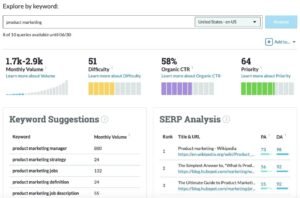
Finding a keyword with high search volume is only part of the process. You also need to determine whether your website has a realistic chance of ranking for it.
SpyFu’s Keyword Difficulty metric estimates how challenging it may be to achieve high rankings for a particular keyword.
What is Keyword Difficulty?
Keyword difficulty measures the level of competition for a keyword.
A higher difficulty score usually means that many authoritative websites are already ranking for that term.
A lower score suggests there is less competition, making it easier for newer websites to compete.
Why Keyword Difficulty Matters
Ignoring keyword difficulty can lead to wasted time and effort.
For example:
- A new website targeting highly competitive keywords may struggle to rank.
- An established website with strong authority can often compete for more competitive terms.
Evaluating keyword difficulty helps businesses prioritize opportunities that match their current SEO strength.
Factors That Influence Keyword Difficulty
Several elements contribute to keyword competition, including:
- Number of competing websites
- Domain authority of ranking pages
- Content quality
- Backlink profiles
- Search intent
- User engagement
SpyFu combines these factors to provide an overall difficulty estimate.
Choosing the Right Keywords
A practical approach is to select keywords that offer a balance between:
- Search volume
- Competition
- Relevance
- Commercial intent
Instead of targeting only the most competitive keywords, combine medium and low-difficulty keywords to build steady organic growth.
Difficulty Levels
| Difficulty | Recommendation |
| Low | Ideal for new websites and niche topics |
| Medium | Suitable for growing websites with consistent SEO efforts |
| High | Best for established websites with strong authority |
Exporting Keywords
After identifying valuable keywords, SpyFu allows users to export their research for future use.
Exporting keyword data makes it easier to organize SEO campaigns, collaborate with team members, and build content calendars.
Why Export Keywords?
Exporting keyword lists helps you:
- Save research time
- Organize keyword ideas
- Share data with clients
- Build content strategies
- Plan PPC campaigns
- Monitor keyword performance
Rather than repeating searches, you can maintain a structured keyword database for ongoing optimization.
Export Options
Depending on your subscription plan, SpyFu allows users to export keyword data in formats suitable for spreadsheets and reports.
Common export data includes:
- Keywords
- Search volume
- CPC
- Keyword difficulty
- Ranking positions
- Competitor information
These files can be used for reporting, content planning, or further analysis.
Organizing Exported Keywords
Once exported, categorize keywords into groups such as:
- Primary keywords
- Secondary keywords
- Long-tail keywords
- Commercial keywords
- Informational keywords
- Local keywords
Organized keyword lists simplify content planning and improve campaign management.
Tips for Managing Keyword Lists
To keep your keyword research effective:
- Remove duplicate keywords.
- Update keyword lists regularly.
- Prioritize keywords based on business goals.
- Track rankings over time.
- Review competitor data periodically.
A well-maintained keyword database supports long-term SEO success.
Summary
SpyFu’s competitor research, keyword difficulty analysis, and export features work together to create a structured and efficient keyword research process. By understanding what competitors rank for, evaluating keyword competitiveness, and organizing research into actionable lists, marketers can build content strategies that attract targeted traffic and improve search engine visibility.
Common Mistakes When Using SpyFu for Keyword Research
SpyFu provides powerful keyword research capabilities, but simply accessing keyword data does not guarantee SEO success. Many beginners make strategic mistakes that reduce the effectiveness of their keyword research and content planning.
Avoiding these common mistakes will help you build a stronger SEO strategy and improve your chances of ranking in search engines.
1. Focusing Only on Search Volume
Many users choose keywords solely because they have high monthly search volumes.
While these keywords may attract more traffic, they are often highly competitive and difficult to rank for.
Instead, consider:
- Search intent
- Keyword difficulty
- Business relevance
- Conversion potential
A keyword with moderate search volume and low competition may generate better results than a highly competitive keyword.
2. Ignoring User Search Intent
Search intent refers to the reason behind a user’s search.
For example:
- Informational: “What is keyword research?”
- Commercial: “Best SEO tools”
- Transactional: “Buy SEO software”
- Navigational: “SpyFu login”
Creating content that matches user intent increases the chances of ranking well and satisfying visitors.
3. Copying Competitor Keywords Without Analysis
SpyFu makes it easy to discover competitor keywords, but copying every keyword without evaluating relevance can waste time and resources.
Instead:
- Analyze why competitors rank.
- Focus on keywords relevant to your audience.
- Create better and more comprehensive content.
- Look for content gaps rather than duplicating existing pages.
4. Ignoring Long-Tail Keywords
Many beginners target only broad keywords.
Long-tail keywords usually:
- Have lower competition.
- Attract more targeted visitors.
- Generate higher conversion rates.
- Rank more quickly.
Including long-tail keywords in your strategy helps build steady organic growth.
5. Not Updating Keyword Research
Search trends change continuously.
New competitors enter the market, search behavior evolves, and keyword popularity shifts over time.
Review your keyword research regularly to identify:
- New keyword opportunities
- Declining keywords
- Emerging trends
- Seasonal topics
Keeping your keyword list updated ensures your content strategy remains effective.
6. Ignoring Keyword Difficulty
Targeting only highly competitive keywords often leads to slow or limited ranking improvements.
Balance your strategy by targeting a mix of:
- Low-difficulty keywords
- Medium-difficulty keywords
- High-value competitive keywords
This approach helps generate both short-term and long-term SEO success.
Best Practices for SpyFu Keyword Research
Finding keywords is only the beginning of a successful SEO strategy. To achieve sustainable rankings, marketers should follow proven keyword research practices rather than relying solely on search volume or competitor data. SpyFu provides a wealth of information, but using that information strategically makes the biggest difference.
Focus on Search Intent
Every keyword represents a specific user intent. Before targeting any keyword, determine whether users are looking for information, comparing products, or making a purchase. Creating content that aligns with search intent improves user satisfaction and increases the chances of ranking higher.
For example, informational keywords work well for blog articles and tutorials, while commercial keywords are more suitable for product reviews and comparison pages.
Build Topic Clusters
Instead of publishing isolated articles, organize your content into topic clusters.
For example, if your primary keyword is SpyFu Keyword Research, related supporting articles could include:
- SpyFu Competitor Analysis
- SpyFu SEO Tools
- SpyFu PPC Research
- SpyFu Keyword Difficulty
- SpyFu Backlink Analysis
Interlinking these articles helps search engines understand your website’s topical authority while improving user navigation.
Monitor Keyword Performance
Keyword research is not a one-time activity.
Regularly monitor:
- Ranking improvements
- Search volume changes
- Click-through rates
- Competitor rankings
- New keyword opportunities
Updating your keyword strategy based on performance data helps maintain long-term SEO success.
Balance Short-Tail and Long-Tail Keywords
An effective SEO strategy combines different keyword types.
Short-tail keywords provide greater visibility but are often highly competitive.
Long-tail keywords generally have:
- Lower competition
- Higher conversion rates
- More targeted audiences
- Faster ranking opportunities
Using both types creates a balanced content strategy.
Keep Updating Existing Content
SEO is an ongoing process. Even well-performing articles require updates to remain competitive.
Regularly refresh your content by:
- Adding new keyword opportunities
- Updating statistics
- Improving headings
- Expanding useful sections
- Refreshing internal links
Content updates often improve rankings without requiring entirely new articles.
SpyFu Tips for Better Keyword Research Results
The following practical tips can help you get more value from SpyFu and improve your SEO workflow.
Tip 1: Research Multiple Competitors
Don’t rely on just one competitor. Analyze several websites to discover a wider range of keyword opportunities.
Tip 2: Prioritize Relevant Keywords
Choose keywords that closely match your products, services, or target audience rather than chasing every high-volume search term.
Tip 3: Organize Keywords by Search Intent
Create separate keyword groups for:
- Informational
- Commercial
- Transactional
- Navigational
This makes content planning much easier.
Tip 4: Analyze Seasonal Trends
Certain keywords perform better during specific times of the year.
Use SpyFu’s historical data to identify seasonal search patterns and publish content before search demand increases.
Tip 5: Combine SpyFu with Other SEO Tools
Although SpyFu is powerful, many marketers combine it with tools such as Google Search Console, Google Analytics, or Google Keyword Planner to gain additional insights into website performance and user behavior.
Tip 6: Track Competitor Changes
Competitor strategies evolve continuously.
Review competitor keywords every few months to identify:
- Newly targeted keywords
- Improved rankings
- Content updates
- Emerging market trends
Staying informed helps maintain your competitive advantage.
Key Takeaways
Before completing your keyword research, remember these important points:
- Always begin with a clear understanding of your audience.
- Select keywords based on search intent, not just search volume.
- Analyze competitors to discover proven opportunities.
- Balance high-volume and low-competition keywords.
- Group keywords into logical content clusters.
- Monitor keyword performance regularly.
- Refresh existing content as search trends evolve.
- Use exported keyword lists to plan future SEO campaigns.
By following these best practices and consistently refining your keyword strategy, you can make the most of SpyFu’s features and build a strong foundation for long-term organic growth.
Frequently Asked Questions (FAQs)
1. Is SpyFu good for keyword research?
Yes. SpyFu is widely used for keyword research because it provides search volume, keyword difficulty, competitor keywords, CPC data, and historical ranking information in one platform.
2. Can beginners use SpyFu?
Absolutely. SpyFu has a user-friendly interface, making it suitable for beginners while still offering advanced features for experienced SEO professionals.
3. How does SpyFu help with competitor research?
SpyFu allows users to analyze competitor domains, discover the keywords they rank for, review PPC campaigns, and identify keyword gaps that can be targeted for SEO growth.
4. Should I focus only on high-volume keywords?
No. A successful SEO strategy combines high-volume, medium-volume, and long-tail keywords based on search intent, competition, and business relevance.
5. Can I export keyword data from SpyFu?
Yes. SpyFu allows users to export keyword lists and reports, making it easier to organize SEO campaigns, share research with teams, and build content calendars.
6. What makes SpyFu different from other keyword research tools?
SpyFu stands out because of its competitor-focused research, historical keyword data, unlimited searches on most plans, and detailed PPC insights. It helps marketers understand both organic and paid search strategies.
Final Checklist
Before beginning your keyword research project with SpyFu, make sure you have completed the following steps:
| Checklist | Status |
| Created a SpyFu account | ✔ |
| Identified your target audience | ✔ |
| Listed your main business topics | ✔ |
| Researched competitor websites | ✔ |
| Found high-volume keywords | ✔ |
| Identified low-competition opportunities | ✔ |
| Analyzed keyword difficulty | ✔ |
| Exported keyword lists | ✔ |
| Organized keywords into categories | ✔ |
| Planned content around selected keywords | ✔ |
Following this checklist will help you build a structured keyword research process and improve the effectiveness of your SEO campaigns.
Conclusion
Keyword research is one of the most important steps in building a successful SEO strategy, and SpyFu simplifies this process by providing valuable insights into search volume, keyword difficulty, competitor performance, and ranking opportunities. Instead of relying on guesswork, marketers can use real data to make informed decisions and create content that aligns with user search intent.
By understanding how to navigate the Keyword Search Dashboard, identify high-volume and low-competition keywords, analyze competitors, evaluate keyword difficulty, and organize exported keyword lists, businesses can create a stronger foundation for long-term organic growth. Consistently reviewing and updating keyword research also helps businesses stay competitive as search trends and customer behavior evolve.
Whether you are a beginner learning SEO or an experienced marketer refining your strategy, SpyFu offers the tools needed to discover valuable keyword opportunities and develop content that attracts qualified traffic.
Start Finding Better SEO Keywords
Use SpyFu to discover profitable keywords, analyze competitors, and build a stronger SEO strategy. Focus on the right search terms, create high-quality content, and refine your approach over time to achieve long-term organic growth.
Leave a Reply